


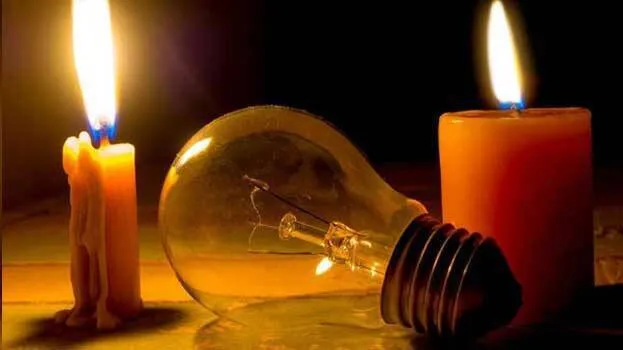
It has been a recurring reality for years: electricity consumption spikes for at least two months during the peak of summer, particularly in April and May. The annual increase is hardly surprising; the number of high-wattage appliances, air conditioners, and electric vehicles in every household is climbing steadily. This is a permanent shift in lifestyle, not a passing trend. Common sense dictates that next summer’s demand will inevitably surpass this year’s. Consequently, the responsibility for foresight and preparation lies squarely with KSEB. Yet, the Board has failed to make any meaningful preparations.
It appears the Electricity Board operated under the simplistic assumption that it could merely purchase power from the external market whenever demand surged. This lack of vision is evident in their handling of renewable energy; although solar power generation has now surpassed hydroelectric capacity, the failure to implement timely battery storage facilities means surplus solar energy is being wasted. Most recently, even after the Regulatory Commission permitted the purchase of external power at ₹10.50 per unit, the Board found itself cornered. With power exchange prices hitting nearly ₹20 per unit, KSEB has now been forced to backtrack on purchasing altogether.
Since the resulting financial burden would ultimately fall on the public, the Regulatory Commission is unlikely to approve purchases at such exorbitant rates. Had KSEB entered into forward contracts earlier—anticipating the April-May surge—power could have been secured at much lower rates. The Board’s excuse for avoiding these contracts was the "fixed charges" incurred even if power isn't used. This is a weak justification. Knowing that summer demand spikes are a certainty, avoiding these contracts was a gamble that failed. The current crisis is not just a seasonal fluke; it is an exacerbation caused by the negligence of the Electricity Board.
With KSEB now refraining from high-cost purchases, the only remaining tool to balance the grid is the power cut. While unannounced outages have been occurring for days, KSEB has now rebranded these as "declared electricity regulations," specifically using the term 'Peak Load Management.' Regardless of the nomenclature, the reality for the consumer remains the same: a 15 to 30-minute blackout. While KSEB promises advance notice via SMS, the systemic failure is clear. National consumption has hit 252 GW this April compared to last year’s 249 GW, making these restrictions almost unavoidable now.
At this stage, consumers must also realise the gravity of the situation and practice self-restraint in energy usage. We must face this crisis together. However, the lesson is clear: the government and the Board must take decisive action now to ensure that this lack of planning is not repeated next year.




 HOME
HOME LATEST
 NOTIFIED NEWS
 POLL
POLL KERALA
  EDITORIAL
  INDIA
INDIA  WORLD
WORLD  CINEMA
  SPORTS
  LIFESTYLE
  SPECIAL
  SCIENCE & TECHNOLOGY
 |
| 


