

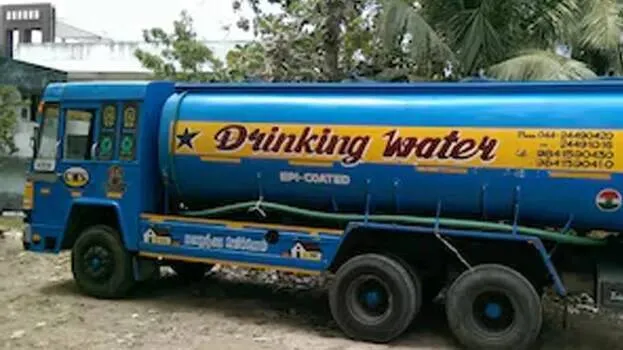
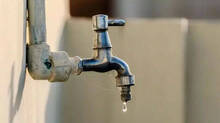
KOTTAYAM: As the summer heat intensifies and water sources dwindle, many places face a severe drinking water crisis. Residents are reporting the distribution of contaminated water in tankers under the guise of drinking water, sparking outrage and distrust. Despite government directives for local self-government bodies to ensure water quality, a functional inspection system remains absent. Exploiting the need for water, suppliers are allegedly distributing stagnant water collected from rocky hills as drinking water and using it to refill dried-up wells.
The government has mandated that drinking water distribution occur exclusively through water authority stations. Regulations explicitly prohibit the use of PVC and plastic tankers and the seizing of unlicensed vehicles. However, the lack of vigilant oversight allows an unscrupulous drinking water lobby to thrive.
Stringent regulations exist for vehicles involved in supplying drinking water:
Registration with local bodies is mandatory for both drinking water and industrial water supply tankers.
Unlicensed vehicles face penalties ranging from Rs. 25,000 to Rs. 50,000.
The water authority is responsible for verifying the quality of collected water.
Registered vehicles must undergo mandatory inspections, and license fees are contingent upon successful inspection.
Daily water quality checks are required at filling stations.
Samples from drinking water tankers must be tested every three months.
Despite these regulations, allegations of superficial inspections and corruption plague the system. Bribes and commissions facilitate the distribution of contaminated water, endangering public health.
The closure of the Thanneermukkom Bund has further compounded the crisis, allowing saltwater intrusion into rivers and streams. This intrusion renders the water unsuitable for drinking, bathing, and washing in the western regions and Upper Kuttanad, exacerbating the scarcity of clean water. The lack of quality testing is believed to be a primary factor in the rising cases of jaundice in the district.










 HOME
HOME LATEST
 NOTIFIED NEWS
 POLL
POLL KERALA
  EDITORIAL
  INDIA
INDIA  WORLD
WORLD  CINEMA
  SPORTS
  LIFESTYLE
  SPECIAL
  SCIENCE & TECHNOLOGY
 |
|