


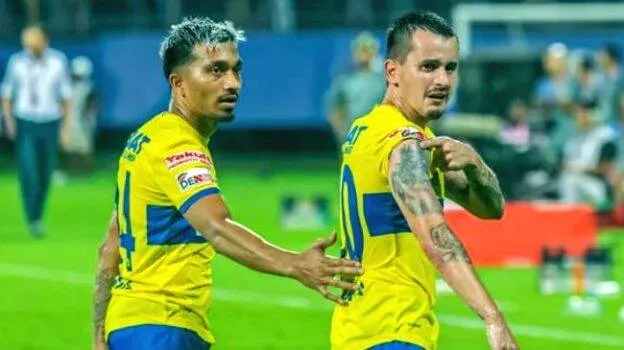
Months of ambiguity surrounding the Indian Super League finally reached an end on Tuesday. A joint meeting of the All India Football Federation and 14 club owners decided to start the new season of matches on February 14. It was a global embarrassment that India, a country preparing to host the Olympics, could not run its own first division national football league. The 10-year contract between Reliance Football Sports Development Limited and the Football Federation ended in December. Negotiations to renew the contract began in June, but the federation faced a dispute in the Supreme Court over matters including the division of power. The contracts could not be renewed due to the case. After the Supreme Court granted permission, the ISL and the I-League were unable to renew their contracts as per the new sports code, and the Union Sports Ministry had to intervene in the matter.
The Co-ordination Committee, comprising Kerala Football Association President Navas Meeran, had submitted a report to the Football Federation regarding the resumption of the ISL. The committee's report suggested that the federation should pay for the tournament until commercial partners are secured for the television rights of the tournament. The issue was resolved when the federation agreed to the suggestions.
The clubs competing in the ISL are Kerala Blasters, Mohun Bagan, East Bengal, Mohammedans, FC Goa, Mumbai City, Chennaiyin FC, SC Delhi, Bengaluru FC, NorthEast United, Jamshedpur FC, Odisha FC and Inter Kashi. Representatives of all these clubs participated in the discussion.
The AIFF announced that the ISL will cost Rs 25 crore per season, of which they will spend Rs 14 crore this time. Rs 3.5 crore will be spent on the I-League. The federation used to get Rs 50 crore annually by giving the commercial broadcasting rights to Reliance. Discussions are underway on whether it is possible to hold a full season of 91 matches. There are financial difficulties and a lack of time to hold regular home-and-away matches. However, not all clubs have agreed to reduce the number of matches. Meanwhile, with the delay in starting the season, foreign players from many clubs have migrated to other countries in search of work. The long ambiguity and stalemate prompted them to leave India.
The insecurity of the league will also affect the future participation of foreign players. The crises in the Football Federation reinforced the perception that no other sport can grow in India except cricket. The Sports Ministry did a remarkable job in coming forward to resolve the problems. The Minister announced that financial assistance will be considered. It is the responsibility of all sports federations to ensure the avoidance of such embarrassment and make the soil conducive for all sports and not just the gentleman's game.










 HOME
HOME LATEST
 NOTIFIED NEWS
 POLL
POLL KERALA
  EDITORIAL
  INDIA
INDIA  WORLD
WORLD  CINEMA
  SPORTS
  LIFESTYLE
  SPECIAL
  SCIENCE & TECHNOLOGY
 |
|