


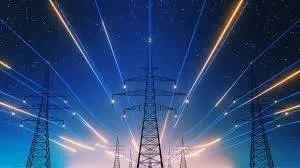
The draft of the National Electricity Policy has been circulated to the states and electricity generation and distribution companies to seek their opinion on the matter. It proposes an annual rate increase in proportion to the cost of production. This will pave the way for electricity rates to increase every year without the approval of the Regulatory Commission. The draft states that the increase in the cost incurred by companies in purchasing electricity should be charged without the decision of the Regulatory Commission. In Kerala, the Regulatory Commission allows the board to increase electricity rates only after hearing the opinion of electricity consumers. Similarly, there is no precedent for increasing the rates demanded by the Electricity Board. Concern remains that once the new national policy is implemented, the system of the Regulatory Commission itself will become irrelevant.
Therefore, it would be pragmatic if Kerala express strong disagreement on this issue from the side of consumers. Now, the commissions are making decisions on the tariff by considering the interests of the state governments. This will change in due course. The Centre is preparing for a crucial change after assessing that the commissions' decisions on increasing tariffs are time-consuming, adding to the losses of the electricity distribution companies.
In Kerala, the subsidy that the government should provide for free electricity is being diverted due to the tangled obligations between the board and the government. The draft policy also proposes to end this practice. Free electricity should be provided only if an advance subsidy is provided. This will be an excessive burden on states like Kerala, which are facing an economic crisis. If the subsidy is eliminated, a large section of household consumers in Kerala will be adversely affected. Cross-subsidies, which are imposed on one section and provided free to other sections, will also have to be avoided. In short, the draft national electricity policy will deprive the states of many powers in the matter of electricity. If this is implemented as it is, the sole control will rest within the Central Electricity Authority.
It is a relief that manufacturing units and metros have been exempted from the cross-subsidy surcharge. The National Electricity Policy also includes proposals such as implementing prepaid smart metering to reduce transmission losses and bringing transmission and distribution losses to one figure. The draft policy states that the Centre's move is aimed at providing an investment of Rs 4.5 lakh crore in India's energy sector by 2032. There has been criticism that the draft, along with giving importance to nuclear power, paves the way for the private sector to enter the generation, distribution and related sectors. Therefore, Kerala should adopt a stance that protects the state's interest and sovereignty in these matters.










 HOME
HOME LATEST
 NOTIFIED NEWS
 POLL
POLL KERALA
  EDITORIAL
  INDIA
INDIA  WORLD
WORLD  CINEMA
  SPORTS
  LIFESTYLE
  SPECIAL
  SCIENCE & TECHNOLOGY
 |
|