


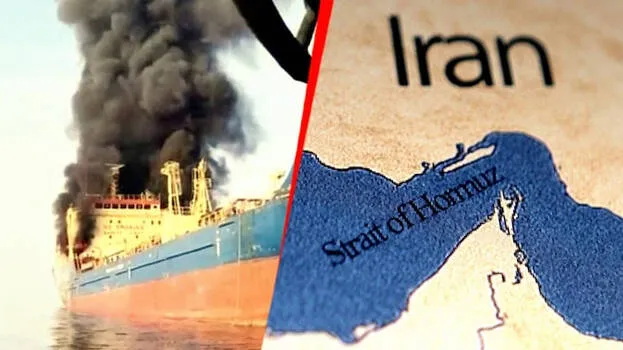
Concerns are growing that the ongoing war in the Middle East could significantly impact the economy of India and specifically the state of Kerala. As the conflict escalates, there is considerable uncertainty in the global market, particularly affecting currency and stock markets. Crude oil prices have surged, with domestic prices rising by 10 percent to exceed $80 per barrel. Experts warn that disruptions in global trade may cause petrol prices in India to rise as high as Rs 150 per liter, especially after Iran closed the Strait of Hormuz, through which 20 percent of the world's crude oil is transported. An increase in petrol prices will likely lead to higher costs for essential goods and services, such as air travel, bus, and auto services, ultimately resulting in increased inflation across the country.
The threat of further oil supply disruptions has grown following Iran's attack on the Aramco refinery in Saudi Arabia. This attack has jeopardised fuel security, especially considering the recent shutdown of one of Central Asia's largest refineries, which has a production capacity of 550,000 barrels per day.
Last financial year, Kerala received over Rs 1 lakh crore from Gulf countries. If uncertainty due to the conflict escalates, there's a possibility that individuals may hold onto money for emergencies instead of spending it. A decline in remittances could sharply reduce the inflow of money to Kerala, adversely affecting all sectors of the state.
India has a trade volume of $10 billion annually with the UAE alone, a significant portion of which involves Kerala. Should traffic through the Strait of Hormuz be compromised, shipping routes will necessitate rerouting around the Cape of Good Hope, resulting in substantial increases in shipping costs and reduced income for exporters. Additionally, the closure of air routes has already drastically reduced fruit and vegetable exports from Kerala to Gulf and European countries. At Kochi airport alone, over 200 tonnes of vegetables have spoiled because they could not be shipped, while exports from Karipur have plummeted from 40-45 tonnes daily to just 10-15 tonnes. An exporter in Karipur reported that 30,000 kilograms of fruit destined for export had to be withdrawn due to the disruption of flight services to the Gulf region. Consequently, the prolonged conflict will likely cause substantial losses for the export sector.
If the war escalates, one of India’s most pressing challenges will be repatriating its citizens stranded in the Gulf, which would impose a significant financial burden.
The suspension of flights to the Gulf has led to considerable revenue losses for Indian airlines. Additionally, the depreciation of the rupee against the dollar has been exacerbating the withdrawal of foreign investment from the stock market, further impacting India's economy. Beyond these economic setbacks, the mental distress and anxiety faced by over 10 million expatriates living in the Gulf Cooperation Council (GCC) countries, along with their families back home, are growing concerns that require attention.












 HOME
HOME LATEST
 NOTIFIED NEWS
 POLL
POLL KERALA
  EDITORIAL
  INDIA
INDIA  WORLD
WORLD  CINEMA
  SPORTS
  LIFESTYLE
  SPECIAL
  SCIENCE & TECHNOLOGY
 |
|