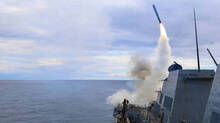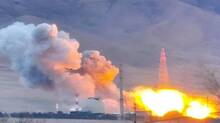


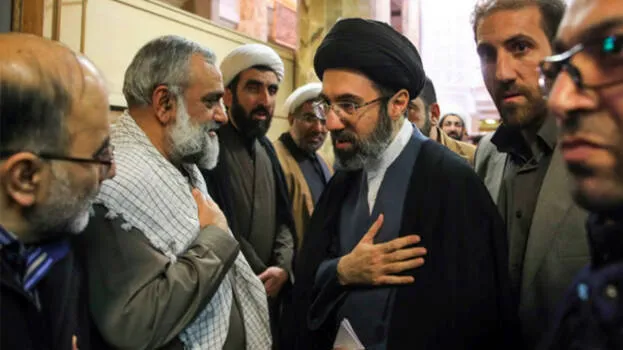
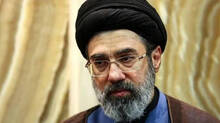
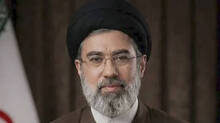
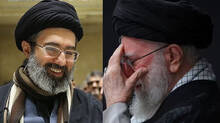
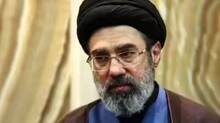
TEHRAN: Deepening uncertainty surrounds the status of Iran’s newly appointed Supreme Leader, Mojtaba Khamenei, following reports from Indian intelligence agencies that he remains in critical condition. Sources indicate that the 56-year-old cleric, who was elevated to the country’s highest office earlier this month, is undergoing intensive medical treatment for severe injuries sustained during a joint US-Israeli strike on February 28.
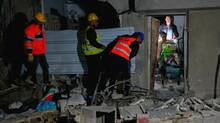
The strike, which claimed the life of his father and predecessor, Ayatollah Ali Khamenei, has plunged the Islamic Republic into its most significant leadership crisis since the 1979 Revolution. While Iranian state media has labeled Mojtaba a “wounded veteran of the Ramadan war,” the lack of public appearances has fueled international speculation that he may be physically incapacitated.
Following the leader’s deteriorating health, the Islamic Revolutionary Guard Corps (IRGC) has reportedly asserted direct control over all official communications. Diplomatic observers note that Iran’s national messaging and social media outputs are now being strictly vetted by IRGC intelligence to project an image of stability.
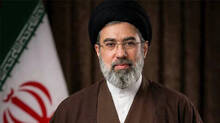
Despite official claims that the Leader is “fully managing the situation,” Mojtaba did not attend his own inauguration ceremony in person. The event featured only a portrait of the cleric, a move that has raised domestic and international questions regarding his ability to fulfill the duties of the office.
"Shadow" Governance
International observers believe the Iranian government is currently operating under the indirect control of military leadership. The IRGC has moved to fill the administrative vacuum, prioritizing internal security and the maintenance of the Strait of Hormuz as the regional conflict intensifies.
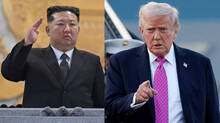
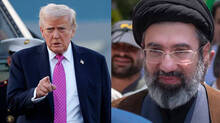
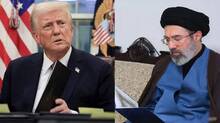
US President Donald Trump recently heightened these tensions by questioning Mojtaba’s survival during an interview with NBC News.
"I don't know if he's even alive," the President stated. "So far, nobody has been able to show him. I’m hearing he’s not alive, and if he is, he should do something very smart for his country, and that’s surrender."
Internal secrecy and regional stability
The IRGC has kept the details of Mojtaba’s condition a closely guarded secret, allegedly to prevent administrative collapse and widespread panic. Access to the Leader is currently restricted to a small circle of high-ranking military officials, and it remains unclear when, or if, he will regain the mobility required for public leadership.
As the "Operation Epic Fury" campaign continues, the transition from ideological clerical rule to a military-backed "emergency" leadership marks a pivotal and volatile shift for the Iranian state.


 HOME
HOME LATEST
 NOTIFIED NEWS
 POLL
POLL KERALA
  EDITORIAL
  INDIA
INDIA  WORLD
WORLD  CINEMA
  SPORTS
  LIFESTYLE
  SPECIAL
  SCIENCE & TECHNOLOGY
 |
|