


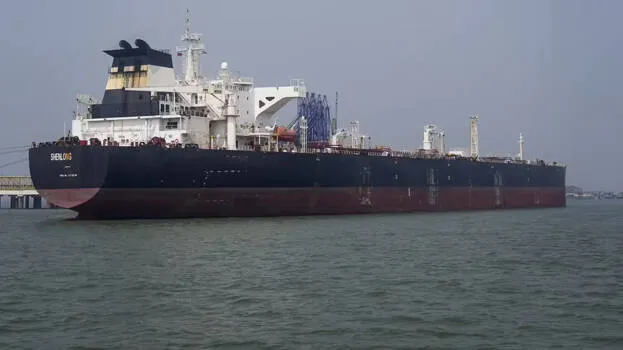
NEW DELHI: A vessel carrying 600,000 barrels of crude oil from Iran—currently embroiled in a joint US-Israeli conflict—is scheduled to reach the Gujarat coast on April 4, 2026. This marks the return of Iranian oil to India, a key historical trading partner, after a hiatus of nearly seven years. While maritime data confirms the ship’s trajectory, the central government has yet to provide official confirmation.
The cargo was loaded at Iran’s Kharg Island onto the Aframax tanker Ping Shun, which operates under the flag of Eswatini. The shipment is reportedly destined for the Vadinar refinery in Gujarat, owned by Nayara Energy.
Economic incentives and Rupee trade
This deal, which addresses India’s tightening oil inventories, offers significant strategic advantages:
Restoring strategic partnership
Historically, Iran has been a vital energy source for India. In 2008, it accounted for 16% of India's crude imports. Although this dropped to 7.3% in 2013 due to UN nuclear sanctions, trade rebounded in 2015. By 2017, Iran had climbed to become India’s third-largest supplier, trailing only Saudi Arabia and Iraq.
The relationship fractured in 2018 following the collapse of the Iran Nuclear Deal during the first Trump administration, which also stalled the proposed gas pipeline project. By May 2019, Indian imports of Iranian oil ceased entirely. This current resumption was made possible by a temporary 30-day US sanctions waiver (expiring April 19), intended to stabilise global prices amid the regional war. Furthermore, Iranian crude grades remain highly compatible with the specific processing configurations of Indian refineries.












 HOME
HOME LATEST
 NOTIFIED NEWS
 POLL
POLL KERALA
  EDITORIAL
  INDIA
INDIA  WORLD
WORLD  CINEMA
  SPORTS
  LIFESTYLE
  SPECIAL
  SCIENCE & TECHNOLOGY
 |
|