


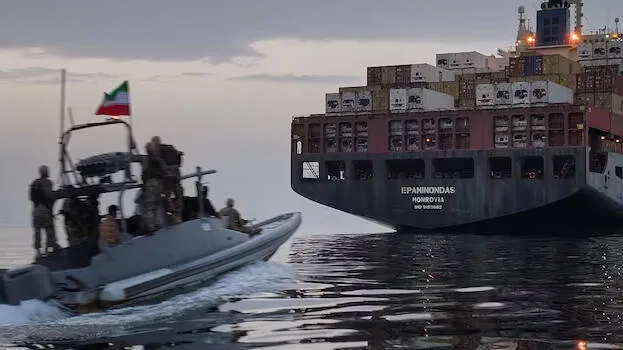
TEHRAN: In a potential breakthrough for regional stability, Iran has reportedly made a decisive diplomatic move to conclude the conflict that has gripped West Asia for over two months. Sources indicate that Tehran has communicated its willingness to ensure the Strait of Hormuz—a critical artery for global trade—remains open for commercial shipping.
This proposal, facilitated through Pakistani mediation, suggests that Iran is prepared to defer sensitive discussions regarding its uranium enrichment program in exchange for immediate de-escalation.
According to several Iranian media outlets, Tehran’s primary objective is to transition the current fragile truce into a long-term or permanent ceasefire. However, the Iranian leadership has made its position clear: formal negotiations regarding its nuclear stockpile will only commence once the United States lifts the naval and commercial restrictions currently imposed on the Hormuz region.
Despite the proposal, President Donald Trump has yet to issue a formal response. Current indications from the White House suggest the administration may be hesitant to ease its "maximum pressure" campaign. It appears the President intends to maintain the existing naval blockade on Iranian ports to leverage further concessions from Tehran before committing to a broader deal.
The proposal follows a flurry of diplomatic activity led by Iranian Foreign Minister Abbas Araghchi. After holding critical consultations in Pakistan and Oman, Araghchi is currently in Russia for high-level talks with President Vladimir Putin.
While a temporary ceasefire was successfully brokered by Pakistan in early April, the region remains on edge. Diplomatic sources suggest that while the "opening of Hormuz" is a significant olive branch, a final consensus on the core issues—specifically the removal of sanctions and the scope of Iran’s nuclear program—remains elusive.






 HOME
HOME LATEST
 NOTIFIED NEWS
 POLL
POLL KERALA
  EDITORIAL
  INDIA
INDIA  WORLD
WORLD  CINEMA
  SPORTS
  LIFESTYLE
  SPECIAL
  SCIENCE & TECHNOLOGY
 |
|