


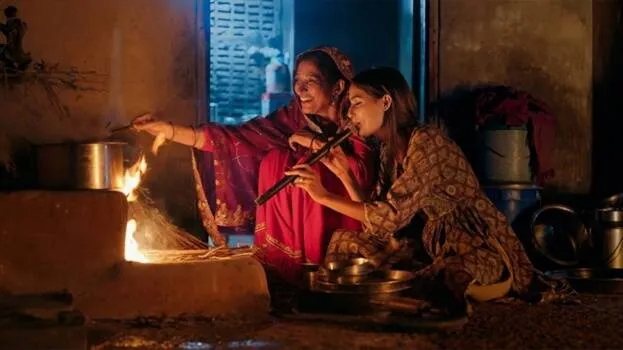
THIRUVANANTHAPURAM: In an era defined by high-speed internet and instant gratification, a surprising trend is flickering to life in the kitchens. No longer confined to the history books or the memories of their grandparents, the traditional firewood stove has found a new, unlikely ally: Generation Z.
Faced with a persistent shortage of cooking gas and skyrocketing costs, the younger generation is stepping away from their devices and heading toward the hearth. Instead of scrolling through feeds, they are learning the rhythmic art of blowing into a smoking stove to coax a flame. There is a strange, newfound beauty in the grit; these young adults are making peace with the soot, collecting firewood, and sweeping away ashes by hand. For many, the wood stove—once seen as a relic of the past—has become the only reliable refuge against hunger. Beyond necessity, there is a growing appreciation for the craft, as Gen Z increasingly admits that food infused with the scent of charcoal and wood smoke simply tastes better.
The shift has breathed life back into a dying industry. For years, the firewood trade sat at a standstill, with wood powder piling up unwanted in local shops. That has changed overnight. Firewood is now a hot commodity, processed by machines and retailing for ₹20–₹30 per kilogram.
While homeowners are relieved if they had the foresight to keep a "work area" for traditional cooking, the hospitality sector is feeling the burn. Many hoteliers, confident in the permanence of the gas age, demolished their old stoves and repurposed the space. They are now haunted by the warnings of their elderly workers, who advised against throwing away the firewood hearths. Between the gas shortage and the "shocking" electricity bills associated with high-usage induction cooking, the traditional stove is no longer a joke—it’s a necessity.
The demand has moved from the backyard to the browser. The online market for traditional cooking solutions is currently booming:





 HOME
HOME LATEST
 NOTIFIED NEWS
 POLL
POLL KERALA
  EDITORIAL
  INDIA
INDIA  WORLD
WORLD  CINEMA
  SPORTS
  LIFESTYLE
  SPECIAL
  SCIENCE & TECHNOLOGY
 |
|