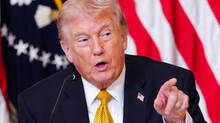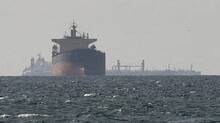


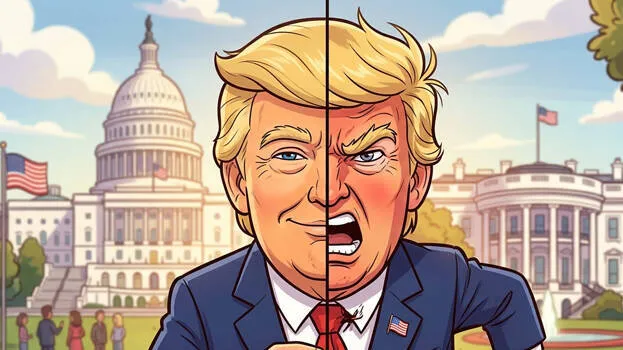
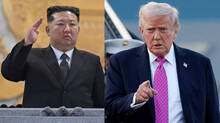
TEHRAN: U.S. President Donald Trump, who stated yesterday that attacks on Iran would continue until all objectives are met, suggested hours later that he is considering an end to the war. Writing on social media, Trump claimed the military is "getting closer" to its goals. However, he has shifted his stance on maritime security, asserting that it is the responsibility of regional countries—not just the U.S.—to ensure the safety of shipping in the Iran-controlled Strait of Hormuz.
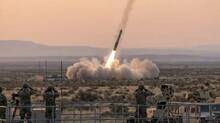
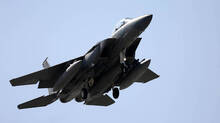
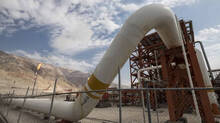
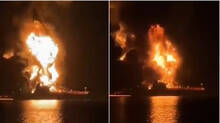
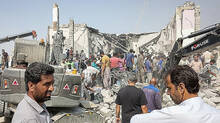
Meanwhile, joint U.S.-Israeli strikes on Iranian cities persist. The Natanz nuclear facility was targeted again on Saturday; reports indicate no radiation leaks or casualties. In a major escalation, Iran fired two ballistic missiles at the joint U.S.-UK military base on Diego Garcia in the Indian Ocean. While one missile failed in flight and the other was intercepted by a U.S. warship, the attack shocked the international community. Previously, Iran’s missile range was believed to be capped at 2,500 km, but Diego Garcia sits approximately 3,800 km from Iranian shores.
U.S. war goals:
Contradictory Signals:
Despite Trump’s hints at a de-escalation, military movements suggest otherwise. The USS Tripoli, carrying 2,200 Marines, is nearing the theater of operations, while three additional warships with over 2,500 Marines have departed from California. Analysts suggest these forces may be positioned to seize Kharg Island or enforce a total naval blockade.
Diplomatic pressure from India:
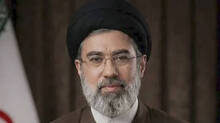
Amidst a domestic energy crisis and LPG shortages, Prime Minister Narendra Modi held a phone call with Iranian President Dr. Masoud Pezeshkian. Modi demanded that the Strait of Hormuz remains open for vital oil and gas shipments and called for the restoration of safe, smooth maritime traffic. He also condemned the ongoing attacks on critical energy infrastructure in the region.




 HOME
HOME LATEST
 NOTIFIED NEWS
 POLL
POLL KERALA
  EDITORIAL
  INDIA
INDIA  WORLD
WORLD  CINEMA
  SPORTS
  LIFESTYLE
  SPECIAL
  SCIENCE & TECHNOLOGY
 |
|