

MUMBAI: Most people today use credit cards, and in fact, it is more common for individuals to have multiple credit cards rather than just one. However, using credit cards without proper financial discipline is increasing the financial burden for many people. Such spending habits are affecting financial security and pushing some individuals into debt.
Now, several important changes are set to come into effect from April 1 (Wednesday). These reforms are part of the newly introduced “Income Tax Rules 2026” by the Income Tax Department.
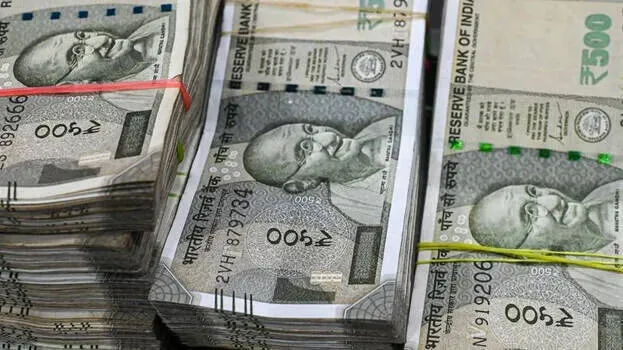
The new rules mainly target high-value transactions. If a person makes transactions exceeding Rs 10 lakh in a financial year, banks will directly report this to the Income Tax Department.
The use of credit cards for international transactions has also increased significantly. Taking this into account, spending in foreign countries will also be monitored. Individuals who spend more than Rs 1 lakh abroad will come under scrutiny.
Officials will closely track whether there is a mismatch between a person’s income and spending. If any irregularities are found, authorities may examine credit card statements and can even visit the individual’s residence for further verification.
At the same time, one positive change is that credit cards can now be used to pay income tax. Earlier, only debit cards were allowed for such payments. There will also be stricter rules on credit cards issued by companies to employees. If such cards are used strictly for official purposes, no tax will be applied. However, if they are used for personal expenses, tax will be charged based on the amount spent. Additionally, credit card statements can now be used as a valid address proof document.









 HOME
HOME LATEST
 NOTIFIED NEWS
 POLL
POLL KERALA
  EDITORIAL
  INDIA
INDIA  WORLD
WORLD  CINEMA
  SPORTS
  LIFESTYLE
  SPECIAL
  SCIENCE & TECHNOLOGY
 |
|