


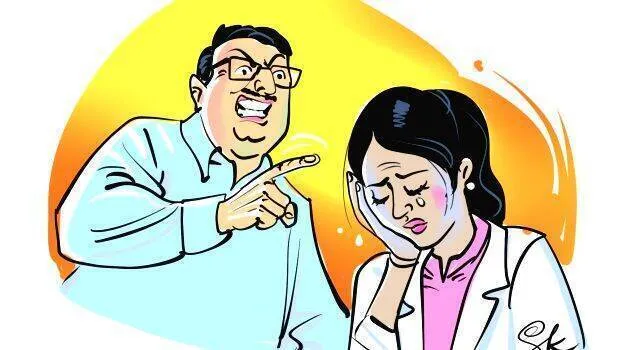
Low-income families face many challenges in professional colleges. First, they are under pressure to pass every paper on the first attempt, because failing even once can create a financial burden they cannot afford. Many of them come to college after taking loans, often by mortgaging their house or land. Students who join professional courses immediately after Plus Two may not yet be mentally mature, and the full hopes of the family are often placed on them. If they enter through reservation, they may also face discrimination and humiliation from some teachers and classmates.
Such pressures tend to be higher in self-financing colleges. Children from affluent backgrounds also study there. They may flaunt the arrogance of wealth and status, often directed at those from lower-income backgrounds who arrive with the sole focus of studying. Furthermore, the management's favour also tends to lean toward them. Earlier, student organisations were strong enough to fight such discrimination, including bias based on colour and caste. The fact that students like Sidharth and Nitihn Raj lost their lives shows how weak those protections have become. Against this background, the health university’s move to introduce a code of conduct for teachers is welcome.
Strong laws already exist to prevent ragging, but it is not enough to have rules on paper; the systems must work effectively on campuses. College managements often remain indifferent, which allows anti-ragging committees and similar bodies to become ineffective. In the past, managements paid more attention to shaping students’ character as well as helping them study, but today anyone with money can start a professional educational institution without experience in education. A constructive change is needed in this field. Experts in education should collect their views and argue for their implementation.
The code of conduct is being introduced with the aim of preventing bad behaviour toward students and stopping physical and mental cruelty. The university vice chancellor, Dr Mohanan Kunnummal, said to Kerala Kaumudi that those who violate it will face strict action, including expulsion. The education department should also strengthen the system for filing complaints directly with the government outside the college. Dalit organisations should also make arrangements to check whether Dalit students in such institutions face any discrimination, even when there are no formal complaints. If society as a whole takes these issues seriously, many people will hesitate to continue such cruel practices. At the same time, internal marks should not be allowed to be used as a tool to control students, and authorities should set clear standards for that as well.














 HOME
HOME LATEST
 NOTIFIED NEWS
 POLL
POLL KERALA
  EDITORIAL
  INDIA
INDIA  WORLD
WORLD  CINEMA
  SPORTS
  LIFESTYLE
  SPECIAL
  SCIENCE & TECHNOLOGY
 |
|