


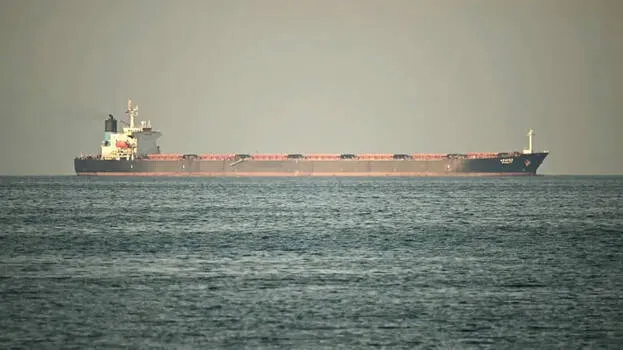
NEW DELHI: Amidst the ongoing regional conflict in West Asia, which has raised concerns over energy supply chains, there is positive news regarding the transport of liquefied petroleum gas (LPG) to India. Two Indian-flagged ships, Shivalik and Nanda Devi, have successfully transited the Strait of Hormuz.
The vessels, operated by the Shipping Corporation of India and chartered by the Indian Oil Corporation, are carrying approximately 92,700 metric tonnes of LPG. According to the Ministry of Shipping, the ships are expected to reach the ports of Mundra and Kandla in Gujarat between March 16 and March 17.
However, the Congress party has alleged that the LPG carried by the two ships is actually meant for the United States.
While there has been public anxiety regarding a potential cooking gas shortage, the Indian government has maintained that there is no national stockout. Authorities have attributed the current local delivery delays and supply tightness to a combination of geopolitical risk and a surge in panic booking by consumers. Iran’s diplomatic representatives have indicated that they value their historical ties with India and have facilitated the safe passage of these vessels, distinguishing them from other traffic in the contested waterway.
Even though the Centre has repeatedly stated that there is no shortage of LPG, data shows that people are rushing to book cylinders. According to the Ministry of Petroleum and Natural Gas, 88 lakh LPG bookings were made on Saturday. On Friday, the number stood at 76 lakh.
Before the conflict, the average daily bookings were around 55 lakh. The surge began on March 3, when tensions in West Asia intensified. Due to the sudden increase in bookings, the IVRS booking system briefly crashed but was later restored.
Authorities reminded consumers that the gap between two LPG bookings is 25 days in urban areas and 45 days in rural areas. However, many people are attempting to book cylinders without noticing this rule. Officials said home delivery of LPG cylinders will continue and consumers do not need to approach dealers directly.
Petrol and diesel will not be sold in bottles





 HOME
HOME LATEST
 NOTIFIED NEWS
 POLL
POLL KERALA
  EDITORIAL
  INDIA
INDIA  WORLD
WORLD  CINEMA
  SPORTS
  LIFESTYLE
  SPECIAL
  SCIENCE & TECHNOLOGY
 |
| 


