

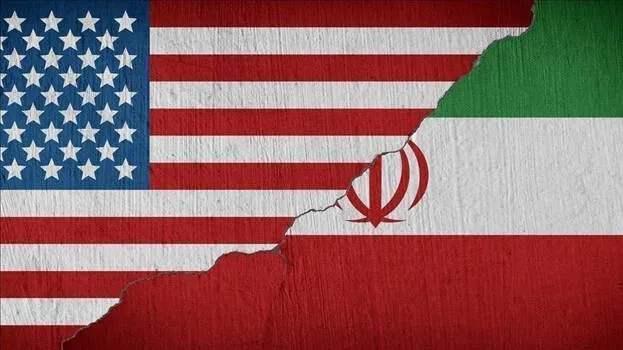
TEHRAN: Reports indicate that Iran and the United States are set to resume peace talks in Islamabad, Pakistan, in an effort to end the ongoing conflict in West Asia. An Iranian delegation, led by Foreign Minister Abbas Araghchi, is expected to arrive in the Pakistani capital today. This diplomatic move follows President Donald Trump’s decision to extend the ceasefire with Iran indefinitely.
A second round of negotiations was originally scheduled for last Tuesday, with a U.S. delegation led by Vice President J.D. Vance. However, the trip was canceled after Iran boycotted the session. Currently, a U.S. security team remains in Pakistan and is prepared to engage with Araghchi if he agrees to the meeting.
Araghchi is expected to present Iran’s peace proposals to Pakistani officials before continuing his diplomatic tour to Oman and Russia. President Trump has signaled a cautious approach, stating that while he seeks a permanent agreement, he is in "no rush" to conclude the deal.
Lebanon ceasefire extended
In a related development, the ceasefire between Israel and Lebanon has been extended for an additional three weeks. This decision was reached during a meeting mediated by President Trump in Washington yesterday. Iran has notably made the continuation of the Lebanese ceasefire a primary condition for its participation in broader peace talks.
U.S. Defense Secretary Pete Hegseth commented on the situation, noting that Iran now has a genuine opportunity to secure a favourable deal with the United States.
Mystery of Mojtaba Khamenei
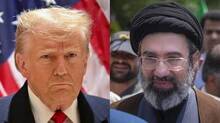
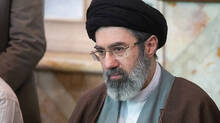
Since assuming power in early March, Iran’s new Supreme Leader, Mojtaba Khamenei, has remained out of the public eye. His messages are currently being read by anchors on national television, as he has not been seen by the Iranian public since his father, Ayatollah Ali Khamenei, was killed in the February 28 airstrikes in Tehran. Recent intelligence reveals significant details regarding his condition:








 HOME
HOME LATEST
 NOTIFIED NEWS
 POLL
POLL KERALA
  EDITORIAL
  INDIA
INDIA  WORLD
WORLD  CINEMA
  SPORTS
  LIFESTYLE
  SPECIAL
  SCIENCE & TECHNOLOGY
 |
|