

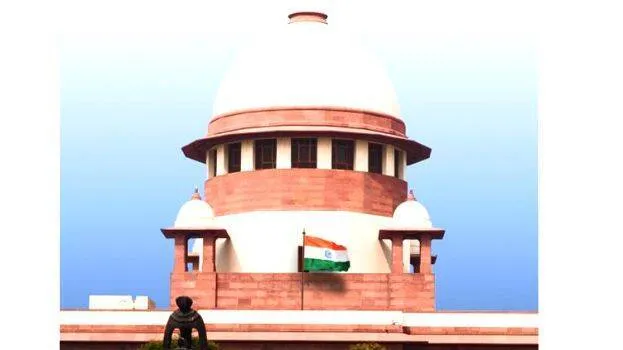
NEW DELHI: The central government strongly opposed the 2018 five-judge Constitution bench verdict that allowed women between the ages of 10 and 50 entry to Sabarimala. Solicitor General Tushar Mehta on Tuesday urged a larger 9-judge bench to declare the verdict unconstitutional.
Justice D.Y. Chandrachud had indicated in the verdict that barring the entry of young women on the grounds of menstrual impurity is another form of untouchability. The Solicitor General opposed this. The reason for the restriction is the temple legend of Lord Ayyappa's strict celibacy. It does not label women as impure or belittle them. Allowing young women to enter Sabarimala will affect the worship practices and customs of the shrine. Article 25 of the Constitution, which guarantees freedom of religion, states that all persons have the equal right to worship. However, it is more about religious harmony than gender equality. Courts cannot decide on matters of faith. The Centre also argued that the necessity of any ritual should be decided based on religious scriptures.
The argument will continue on Wednesday.
Justice BV Nagaratna, the only woman judge on the bench, asked how women become impure for only three days in a month.
“What is the logic in saying that a woman is untouchable for three days in a month and that it changes on the fourth day?”
The Solicitor General responded that the ban is not related to menstruation, while the age limit was considered. The state government's arguments will be from April 14 to 16. According to the affidavit filed earlier, the government has been included in the list of those in favour of the entry of young women to the shrine. The government had written to the nodal officer of the Supreme Court to include them along with those opposing the entry of women in Sabarimala.













 HOME
HOME LATEST
 NOTIFIED NEWS
 POLL
POLL KERALA
  EDITORIAL
  INDIA
INDIA  WORLD
WORLD  CINEMA
  SPORTS
  LIFESTYLE
  SPECIAL
  SCIENCE & TECHNOLOGY
 |
|