

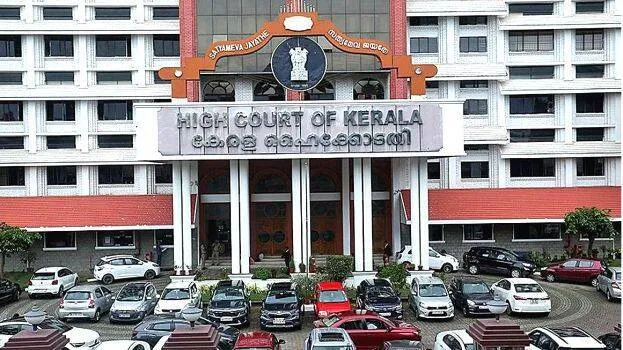
KOCHI: The High Court ruled that the same-caste marriage requirement in the Knanaya Christian Church and the practice of expelling those who do not comply with it from the parish are illegal. The court clarified that neither the teachings of Christ, the Bible, nor canon law support this. Justice S. Easwaran's order dismissed the appeals filed by Archbishop Mar Mathew Moolakkatt of the Knanaya Church, as the petition had questioned the Kottayam Additional Sub-Court's judgment against the same-caste marriage requirement and the order of the Additional District Court that upheld it.
The court rejected the argument that the Knanaya people should only marry people within their clan to uphold the custom. The court also clarified that the church does not have the authority to deny membership or expel those who marry outside their caste. The court reminded that religious autonomy is not a license to encroach on the fundamental rights of individuals and isolate them.
The court said it was wrong to deny the sacraments and rituals of the Knanaya Church to those who marry people from other castes. Those who marry in this way, their partners and children, should be given all the rights and sacraments of the Church. Those who have lost their membership should be reinstated. The appeals were dismissed with costs, stating that the orders of the lower courts were to uphold the dignity and equality of the individual.
The court's ruling cited the Bible's statement that all are one in Christ, and there is no difference between Jew and Greek, slave and free, male and female. It is unconstitutional to cancel a church membership acquired by birth based on marriage.
The church has no authority to interfere with the freedom of marriage and the fundamental rights of individuals. One can marry within the community. But this cannot be institutionalised or imposed by law. The church is obligated to perform marriage, one of the seven sacraments of the Catholic Church.









 HOME
HOME LATEST
 NOTIFIED NEWS
 POLL
POLL KERALA
  EDITORIAL
  INDIA
INDIA  WORLD
WORLD  CINEMA
  SPORTS
  LIFESTYLE
  SPECIAL
  SCIENCE & TECHNOLOGY
 |
|