


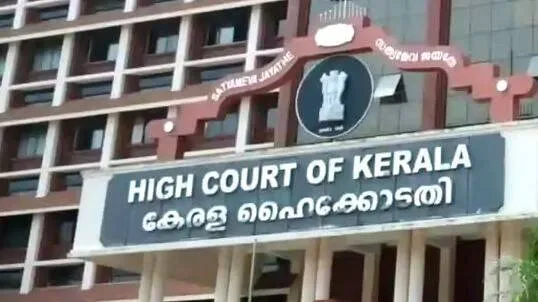
KOCHI: The Kerala High Court has directed the state government to evaluate whether the Vigilance Tribunals should continue to function, citing a significant lack of cases. Justice K. Babu ordered the court registry to forward the directive to the Chief Secretary, emphasising the need for a comprehensive audit of these bodies.
The court expressed concern over the "nominal" number of cases handled by the tribunals compared to the crores of rupees spent on salaries and infrastructure. On average, these tribunals dispose of only five cases per year. Between 2015 and 2023, the Thiruvananthapuram Tribunal disposed of only 35 cases, while the Kozhikode Tribunal handled 30. Currently, there is a backlog of fewer than 10 cases pending across these bodies. The observation came during a petition filed by a Palakkad native seeking the speedy disposal of a pending case.
The Court drew a parallel with the Munnar Tribunal, which was discontinued after similar inefficiencies were exposed. Established in 2011, the Munnar Tribunal disposed of only 42 cases by 2018, despite the government spending approximately ₹13 crore on its operations during that period.
Established in 1960 under the Kerala Civil Services Vigilance Tribunal Rules, these tribunals were designed to fast-track corruption investigations and recommend actions against gazetted officials. They are typically chaired by a District Judge or an official of equivalent qualification. While the government is responsible for referring cases to these bodies, no department other than the Vigilance Department currently utilises their services.
The High Court’s order now places the burden on the state to decide if these institutions still serve their original purpose of ensuring swift justice in corruption matters or if they have become an unnecessary drain on the exchequer.





 HOME
HOME LATEST
 NOTIFIED NEWS
 POLL
POLL KERALA
  EDITORIAL
  INDIA
INDIA  WORLD
WORLD  CINEMA
  SPORTS
  LIFESTYLE
  SPECIAL
  SCIENCE & TECHNOLOGY
 |
|