


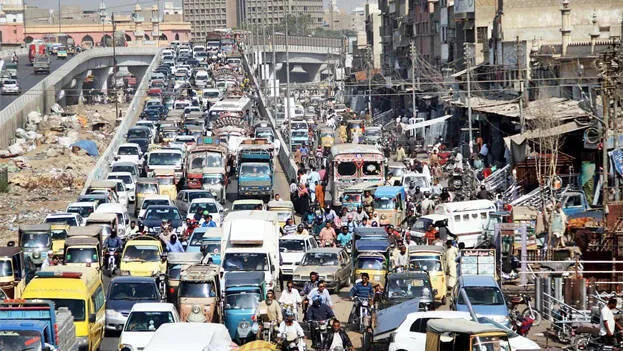
ISLAMABAD: Pakistan is heading towards a severe economic crisis following the closure of the Strait of Hormuz amid rising tensions between Iran and the United States. The increase in fuel prices has disrupted electricity and cooking gas supply across the country, bringing daily life to a near standstill.
Reports say that the cooking gas supply was stopped without prior warning, leaving households unable to prepare food. As a result, many people are forced to depend on hotels and restaurants for meals. Electricity production has also declined, and rising costs have led the government to impose load shedding. Power cuts have been scheduled from 5:00 PM to 1:00 AM.
The crisis is most severe in Karachi, the economic capital of Pakistan. Opposition leaders criticised the government, stating that it has failed to provide essential services even in a city that contributes nearly 65 percent of the country’s total revenue.
Earlier, a sharp rise in fuel prices had triggered nationwide protests. Although the government slightly reduced prices following public backlash, the ongoing electricity and gas shortages have worsened the situation again. The opposition has accused the government of anti-people policies, blaming them for the current hardships faced by citizens. Economic experts warn that fluctuations in the international market and a decline in domestic production could push Pakistan’s economy into a deeper crisis.





 HOME
HOME LATEST
 NOTIFIED NEWS
 POLL
POLL KERALA
  EDITORIAL
  INDIA
INDIA  WORLD
WORLD  CINEMA
  SPORTS
  LIFESTYLE
  SPECIAL
  SCIENCE & TECHNOLOGY
 |
|