


While the destructive potential of nuclear energy often gets attention, its constructive contributions are less discussed. It is also important to note that nuclear factors lie at the root of many global conflicts, including tensions in West Asia. Amid global nuclear competition, India has achieved a significant milestone in nuclear power generation by making the 500 MW Prototype Fast Breeder Reactor operational at the Kalpakkam Atomic Power Station in Tamil Nadu. A key feature of this reactor is its ability to use thorium, an element abundantly available in India, as fuel along with imported uranium.
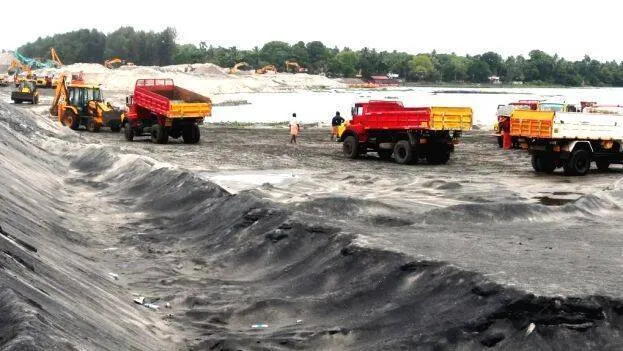
Kerala, particularly the coastal areas of Kollam district, has one of the largest deposits of thorium in the world. This opens up immense possibilities for the state in the future energy sector! At present, only Russia has an operational fast breeder reactor. India’s reactor at Kalpakkam represents the second stage of its three-phase nuclear program. Once the third stage, which fully utilises thorium as fuel, is completed, the goal of producing low-cost electricity on a large scale will become more achievable. As energy scarcity is expected to be one of the biggest challenges for countries in the future, India’s “BHAVINI” reactor is likely to lead a “thorium revolution” in the field.
Currently, India generates only about 3% of its total electricity from nuclear power, through 24 reactors across seven nuclear power plants, including those at Kalpakkam and Kudankulam. One of the main limitations in expanding nuclear power has been the scarcity of uranium, which is the primary fuel for reactors. In March this year, India signed an agreement worth over $200 million with Canada to procure 10,000 tonnes of uranium till 2035. Over the next decade, India aims to generate 27,500 MW of nuclear power. The BHAVINI fast breeder reactor at Kalpakkam is expected to boost efforts toward achieving this target. It will also strengthen India’s position in the fast breeder reactor sector, which is currently dominated by Russia, and help create stronger competition in the future.
Currently, a significant portion of India’s uranium imports comes from Russia, along with supplies from Kazakhstan and Uzbekistan. Due to the lack of sufficient domestic uranium resources, India has invested in long-term research to develop reactors that can use thorium as an alternative fuel. One of the biggest concerns with nuclear reactors is the generation of radioactive waste. The development of indigenous reactors that use thorium instead of uranium is expected to significantly reduce this risk. In the long run, Kerala, with its vast thorium reserves, stands to benefit the most from India’s advancements in nuclear energy production.





 HOME
HOME LATEST
 NOTIFIED NEWS
 POLL
POLL KERALA
  EDITORIAL
  INDIA
INDIA  WORLD
WORLD  CINEMA
  SPORTS
  LIFESTYLE
  SPECIAL
  SCIENCE & TECHNOLOGY
 |
|