


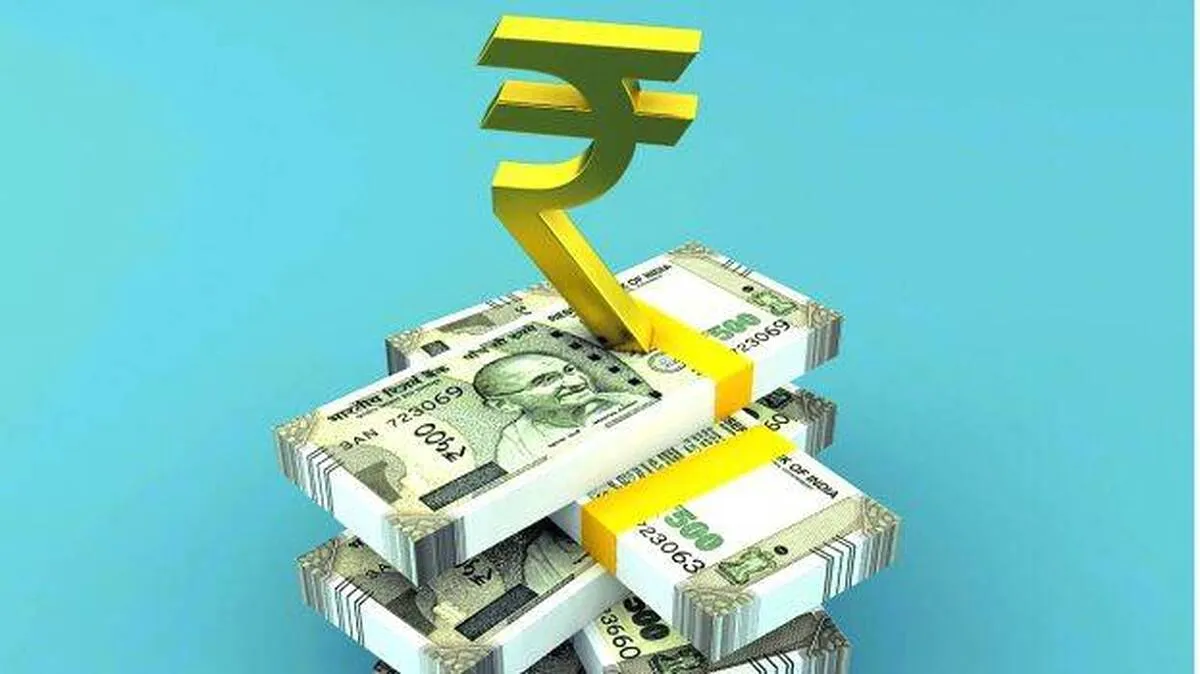
The benefits of democratic governance reach people at the grassroots through local self-government institutions. These are the government bodies that people depend on the most and interact with directly. They play a key role in delivering individual benefits and implementing welfare schemes introduced by the central and state governments. If democracy is compared to a tree, local bodies can be described as its roots.
The development of villages and cities also depends on the effective functioning of local bodies. The more active and efficient they are, the better the quality of life in society. When they fail to function properly, the biggest impact is felt by the middle class and people living below the poverty line. To work efficiently, local bodies need financial support from both the central and state governments. Institutions that make good use of these funds often become models of good governance and receive recognition for their performance. Kerala has many panchayats, municipalities and corporations that have set examples for the rest of the country. However, they need to receive funds from the state government on time to carry out their day-to-day activities. Delays in fund allocation can disrupt many welfare and development programmes.
Local bodies across the state are now facing a slowdown in development as they have not received funds from the state government. The third instalment of Rs 2,651 crore for the previous financial year was supposed to be released before March 31. In addition, the first instalment of Rs 3,000 crore for the current financial year was to be released before June 30. Together, these pending payments amount to Rs 5,651 crore, creating a major financial crisis for local bodies.
As a result, many local bodies are unable to pay contractors for completed welfare and development projects. More than 1,200 local bodies have been severely affected by the financial shortage. The failure to release the third instalment of funds from the previous financial year as a spillover allocation, along with cuts in new funding, has adversely affected several sectors, including healthcare. Many local bodies have been unable to find funds even for projects announced in their budgets.
The state government has extended the deadline for submitting the Annual Plan for 2026-27 and has allowed projects from the previous financial year to be included as spillover projects. However, there are complaints that the new order lacks clarity. Guidelines on how to use grants from the Sixteenth Finance Commission for new projects have not yet been issued. There is also uncertainty over whether the remaining funds from the Fifteenth Finance Commission can be used for new projects. Even if fresh funds are released, a large share may have to be used to clear pending payments for works completed during the previous financial year.
The state government is responsible for meeting around 40 percent of the cost of projects undertaken by local bodies. To overcome the current financial crisis, the pending third instalment from the previous financial year and the first instalment for the current financial year must be released without further delay. The Chief Minister has said that the main reason for the crisis is that the previous government failed to release the third instalment. It is hoped that the issue will be resolved soon.








 HOME
HOME LATEST
 NOTIFIED NEWS
 POLL
POLL KERALA
  EDITORIAL
  INDIA
INDIA  WORLD
WORLD  CINEMA
  SPORTS
  LIFESTYLE
  SPECIAL
  SCIENCE & TECHNOLOGY
 |
|