


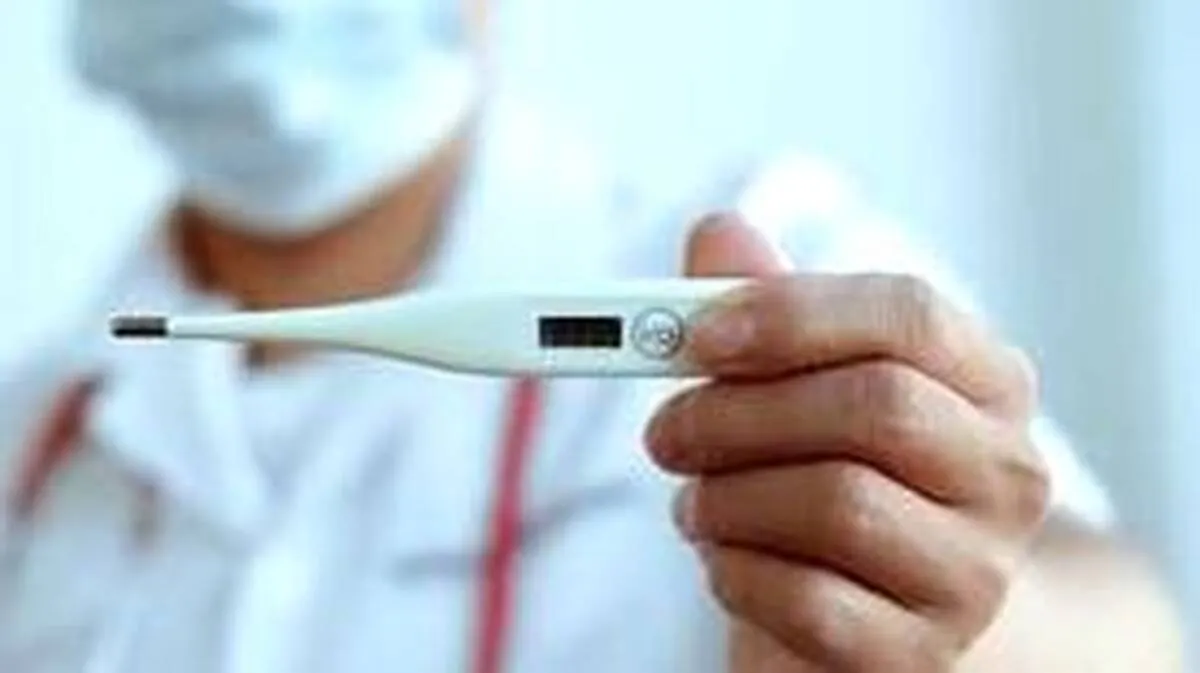
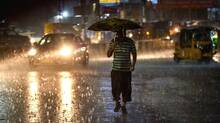
THIRUVANANTHAPURAM: Widespread monsoon rains have triggered a severe health crisis across Kerala, leaving the state in the grip of multiple infectious diseases. Within a brief span of 13 days, the state has recorded 41 fatalities due to various seasonal and waterborne illnesses. The expanding list of diseases includes viral fever, leptospirosis (rat fever), waterborne infections, influenza, shigella, and amoebic meningoencephalitis.
Rising death toll and primary threats
Influenza and leptospirosis have emerged as the most widespread threats and the leading causes of death during this period. The official breakdown of fatalities over the 13-day window includes:
Danger of self-medication
Health experts have expressed serious concern over the rising number of cases and fatalities, especially since highly effective treatments are readily available. A major factor driving the spike in critical cases is self-medication. Because both influenza and leptospirosis initially present with symptoms similar to a common fever, many patients delay visiting a hospital until their condition takes a turn for the worse.
Medical professionals emphasize that while their initial symptoms mirror each other, influenza and leptospirosis are entirely different diseases:
Health department advisory and prevention guidelines
Doctors and health officials maintain that ensuring strict personal and environmental hygiene is the most effective way to prevent these diseases and save lives. The following guidelines have been issued for public safety:








 HOME
HOME LATEST
 NOTIFIED NEWS
 POLL
POLL KERALA
  EDITORIAL
  INDIA
INDIA  WORLD
WORLD  CINEMA
  SPORTS
  LIFESTYLE
  SPECIAL
  SCIENCE & TECHNOLOGY
 |
|