

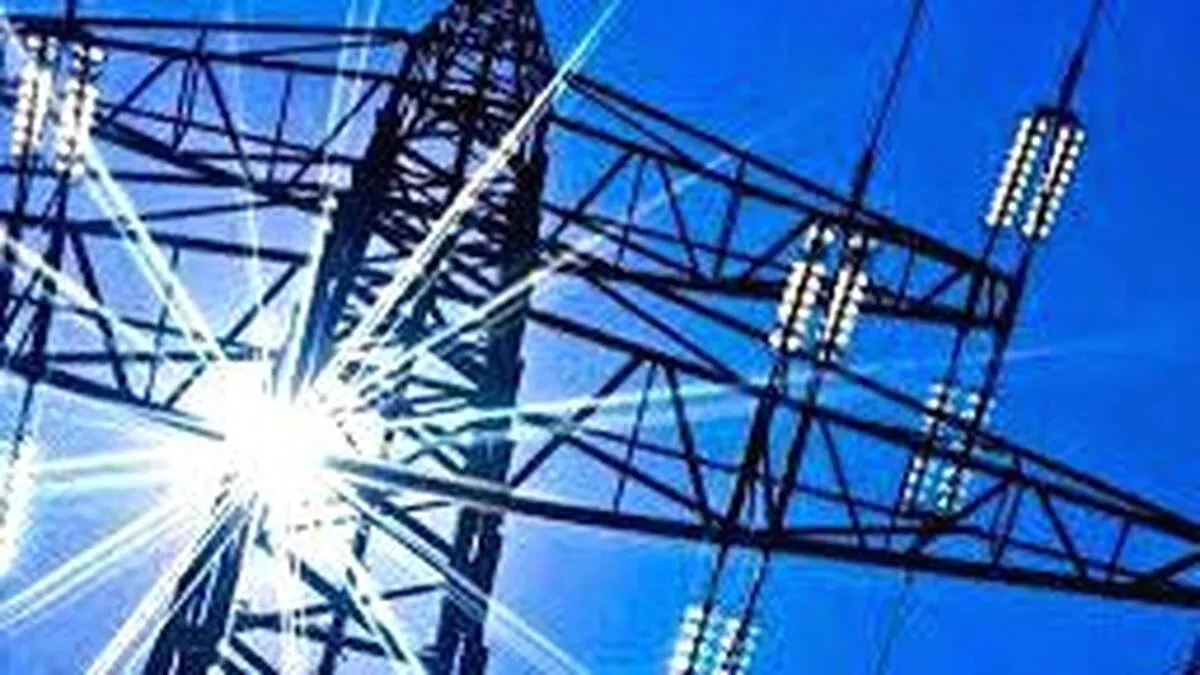
THIRUVANANTHAPURAM: In an unprecedented shift, Kerala consumers are staring at additional power surcharges even during the peak monsoon season. A severe deficit in rainfall has disrupted domestic generation, forcing the Kerala State Electricity Board (KSEB) to procure power at exorbitant rates to keep the grid afloat.
Historically, power surcharges and tariff hikes have been restricted to the grueling summer months when local hydro-generation dips. However, with the southwest monsoon failing to deliver in June, KSEB has been pushed into emergency market purchases, the cost of which will ultimately be passed on to the public.
Currently, the board is forced to shell out upwards of ₹10 per unit to meet peak-hour demand. Compounding this financial strain is a binding power-swap obligation with other states, which has severely exacerbated the domestic power deficit.
Power-swap dilemma
The present crisis is deeply tied to KSEB’s seasonal energy management strategy. During the high-demand summer months of March, April, and May, Kerala borrows power from neighboring states. Under the terms of these reciprocal agreements, KSEB is contractually obligated to return an equivalent quantum of electricity during the high-rainfall months of June, July, and August, when domestic hydro-generation typically peaks and local demand drops.
However, the current dry spell has completely upended these calculations. With local power consumption remaining unusually high and hydro-reservoirs underfilled, KSEB is struggling to honor its commitments. The board is currently mandated to return up to 500 MW of power to external utilities, a factor that officials cite as a primary driver of the current statewide shortage.
Looking North for relief
KSEB management is currently pinning its hopes on shifting national weather patterns. Recent reports indicating the onset of monsoon rains in Northern India have offered a glimmer of hope.
If showers intensify across the rest of the country, dropping ambient temperatures and lowering regional power demands, the market price of electricity is expected to stabilize. This would allow Kerala to procure the necessary shortfall from the national exchange at more viable rates.
Regulatory hearing scheduled
To navigate the projected shortfall through the end of the year, KSEB has already invited tenders for short-term contracts to secure peak-hour electricity at higher rates until December.
The Kerala State Electricity Regulatory Commission (KSERC) is scheduled to vet this emergency proposal today. The public hearing will take place at 3:00 PM at the Commission’s Court Hall, where the final financial implications for the state’s consumers will be determined.












 HOME
HOME LATEST
 NOTIFIED NEWS
 POLL
POLL KERALA
  EDITORIAL
  INDIA
INDIA  WORLD
WORLD  BUSINESS
  CINEMA
  SPORTS
  LIFESTYLE
  SPECIAL
  SCIENCE & TECHNOLOGY
 |
|