


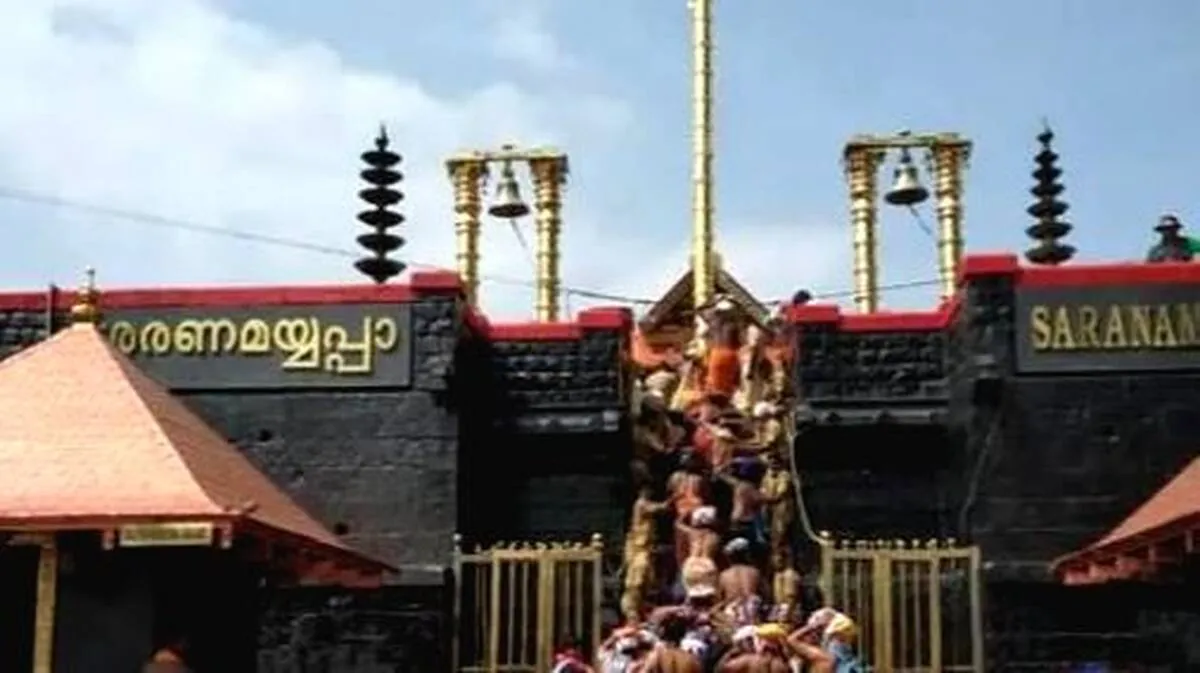
Complaints about limitations and difficulties are natural at pilgrimage centres that attract lakhs of devotees every day. However, Sabarimala continues to fall short of providing adequate facilities for pilgrims, despite the steady increase in both visitor numbers and revenue. Even after all these years, arrangements remain inadequate to ensure a smooth journey, comfortable waiting facilities, access to basic amenities and hassle-free darshan. Devotees should be able to complete their pilgrimage and return satisfied. The continued failure to provide such facilities points to shortcomings in planning and the timely implementation of projects. From the gold theft to the allotment of shops on contract and the booking of guest house rooms, instances of middlemen exploiting the system with the support of officials have come to light at every turn. Yet, the number of pilgrims visiting Sabarimala continues to rise. This is because their faith in Lord Ayyappa remains stronger than the difficulties they face. That faith should not be taken for granted.
The Travancore Devaswom Board cites the uncontrolled rush of pilgrims as the main reason for the problems. However, it should not overlook the fact that lakhs of devotees continue to visit Sabarimala despite the limitations and hardships, making it the highest-revenue-generating temple in the state. More than 30 lakh pilgrims visited the shrine during last year's Mandala Pooja season alone, generating revenue of Rs 332.77 crore. Yet, the authorities have failed to ensure even basic facilities for pilgrims to attend to their personal needs. A few days ago, the Chief Minister was forced to leave the Sabarimala toilets holding his nose after witnessing their deplorable condition. To prevent a recurrence of the negligence by contractors responsible for cleaning, the authorities have decided to make toilets free of charge this season. It remains to be seen whether the decision to appoint staff on a contract basis will prove effective in addressing the problem.
As reported earlier, the proposed ropeway project from Triveni to the police barracks at Malikappuram has been held up by the Forest Department's claim over revenue land. Any project that provides additional facilities for devotees to reach the Sannidhanam should certainly be implemented. However, the immediate priority must be to address the shortcomings in parking facilities, arrangements for pilgrims waiting in queues, accommodation for resting (virivaykkal), drinking water supply and the availability of appam and aravana prasadam. The decision to replace one of the two pipelines from the Kunnar Dam, which supplies drinking water to Sabarimala, is yet to be implemented. Meanwhile, construction of a new plant aimed at increasing aravana production capacity to 3.6 lakh tins a day is under way. As a result, there is currently no reserve stock of aravana.
The surplus rice received as offerings at the Sannidhanam is usually sold through a contract. However, the contractor has reportedly not collected the rice for the past three months, leaving it piled up in a building. This building will be needed to store aravana prasadam once production reaches full capacity. Pampa currently has only two authorised parking grounds. Although the High Court has directed the authorities to arrange a third parking facility at Chakkupalam-2, the responsibility for providing the necessary infrastructure rests with the Forest Department. However, there has been little progress on this front as well. Language barriers between police personnel and pilgrims from other states also frequently lead to heated arguments and even physical altercations. The master plan, which is nearly 15 years old, has also seen no progress. With pilgrim numbers and revenue continuing to rise, the Devaswom Board can no longer afford to neglect essential facilities. Providing basic infrastructure must be its foremost priority.








 HOME
 LATEST
 NOTIFIED NEWS
 POLL
 KERALA
 EDITORIAL
 INDIA
 WORLD
 BUSINESS
 CINEMA
 SPORTS
 LIFESTYLE
 SPECIAL
 SCIENCE & TECHNOLOGY

 |