


The escalating conflict in West Asia has pushed the global community to the precipice of a severe energy crisis. As the world’s most populous nation, India was cautioned early on by experts about the ripple effects of this instability. Today, those warnings are manifesting as a harsh reality for the common citizen.
The crisis first hit the domestic front in the form of a Liquefied Petroleum Gas (LPG) shortage. Despite the willingness to pay, the scarcity of cylinders persists in many regions. Compounding this is the staggering ₹1,000 hike in the price of commercial LPG cylinders. This sudden spike has dealt a heavy blow to small-scale businesses, forcing many tea stalls and budget eateries to pull down their shutters. With the rising cost of essential commodities and hotel food, the daily life of the average citizen is becoming increasingly untenable. There is now a growing dread that if petrol and diesel prices follow suit, low-income groups will find it impossible to stay afloat.
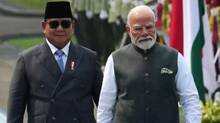
In this precarious context, Prime Minister Narendra Modi’s recent address in Hyderabad regarding cost-cutting measures holds significant weight. He urged the nation to adopt a series of austerity measures, ranging from reducing the consumption of petrol, diesel, and cooking oil to avoiding non-essential gold purchases and foreign travel. The Prime Minister's vision for a more resilient economy also involves a strategic shift in agriculture, encouraging farmers to minimise chemical fertiliser use and replace diesel-powered generators with solar pumps. Furthermore, he emphasised the importance of maximising public transport and re-adopting the "Work From Home" (WFH) protocols established during the pandemic to further curb fuel demand. While these suggestions triggered criticism from opposition parties—who argue that such calls prove the country is in a deep energy deficit—the Union Government has maintained that there is currently no shortage of oil or LPG.
Government assurances have yet to calm public nerves. Rumours of an imminent ₹5 hike in fuel prices have sparked widespread anxiety. Furthermore, reports suggest that the LPG subsidy may be revoked for households with an annual income exceeding ₹10 lakh. Given that many government gazetted officers now fall into this bracket, the loss of subsidy could effectively increase their cylinder costs by ₹500 to ₹700. Such a move, combined with a potential rise in fuel prices, would inevitably trigger a fare hike across buses, trains, flights, metros, and autos.
Ultimately, the Prime Minister’s directives deserve a positive evaluation. The re-adoption of "Work From Home" protocols and online meetings will do more than just curb fuel consumption; they are practical tools to alleviate urban traffic congestion. However, there is a limit to how much a household can trim its essential expenditures. Life becomes an uphill struggle when costs escalate while incomes remain stagnant. Therefore, alongside calls for austerity, the Union Government must announce innovative policies aimed at boosting the actual earnings of the populace. To protect those at the base of the economic pyramid, the government should consider enhancing the wages of social safety nets like the MGNREGA (National Rural Employment Guarantee Act). As the nation navigates these turbulent times, the focus must remain on finding smoother, more sustainable paths toward economic recovery.







 HOME
HOME LATEST
 NOTIFIED NEWS
 POLL
POLL KERALA
  EDITORIAL
  INDIA
INDIA  WORLD
WORLD  CINEMA
  SPORTS
  LIFESTYLE
  SPECIAL
  SCIENCE & TECHNOLOGY
 |
|