


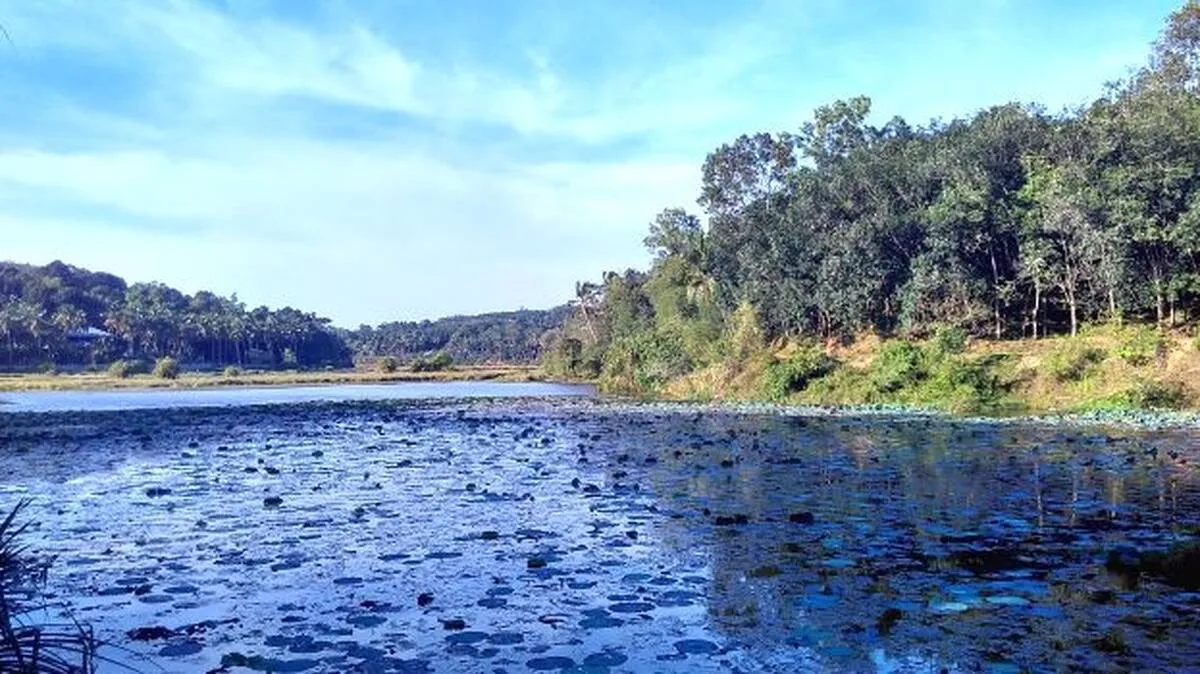
KOCHI: A sharp decline in oxygen levels has left 10 rivers in Kerala almost lifeless, according to a water quality analysis report by the Pollution Control Board. The report also found an increase in harmful bacteria, including coliform bacteria. Several areas near cities and industrial zones have turned into “dead zones” where aquatic life cannot survive.
The report identified 32 polluted stretches across 10 rivers. These areas have been classified based on the level of pollution. Two stretches of the Karamana River were found to be the most polluted and have been placed under Priority Category 3. Four river stretches are included in Priority Category 4, while 26 stretches fall under Priority Category 5. Action plans are being implemented by the Pollution Control Board and local bodies to reduce pollution levels.
The highly polluted areas include Manakkakadavu in Kadambrayar, Kallayi Bridge area in Kallayipuzha, Kalpathy in Kalpathipuzha, and several locations along the Karamana River such as Peppara, Aruvikkara, Pallathukadavu, Munnattumukku, and Thiruvallam. Other affected areas include Kanjikode in Korayar, Irumbanam in Chitrapuzha, Aruvippuram and Amaravila in Neyyar, and Aluva and Eloor in Periyar. Eleven rivers that were earlier included in the pollution list have now been removed following improvements in water quality.
Aquatic life under threat
Aquatic life can survive only in water with more than 4.0 milligrams of oxygen per litre. Water becomes safer when the level of coliform bacteria decreases. In the Thiruvallam area of Karamana River in the capital city, the oxygen level was found to be only 0.7 milligrams per litre. At Munnattumukku, the coliform bacteria level was recorded at 27,000 MPN per 100 ml. The level of faecal coliform bacteria, which indicates the presence of human and animal waste, was 11,000 MPN per 100 ml. The level of toxic ammoniacal nitrogen was recorded at 26.3 milligrams per litre. However, the water quality at Aruvikkara in Karamana River was better, with an oxygen level of 7.3 milligrams per litre.
The highest coliform bacteria level in the state was recorded in Chitrapuzha at Irumbanam, Ernakulam, with 70,000 MPN per 100 ml. In the industrial area of Kanjikode in Palakkad, the level was 48,400 MPN. At Kalpathy and Pezhumkara areas of Kalpathipuzha, the levels were recorded at 39,200 and 41,600 MPN respectively.













 HOME
HOME LATEST
 NOTIFIED NEWS
 POLL
POLL KERALA
  EDITORIAL
  INDIA
INDIA  WORLD
WORLD  BUSINESS
  CINEMA
  SPORTS
  LIFESTYLE
  SPECIAL
  SCIENCE & TECHNOLOGY
 |
|