


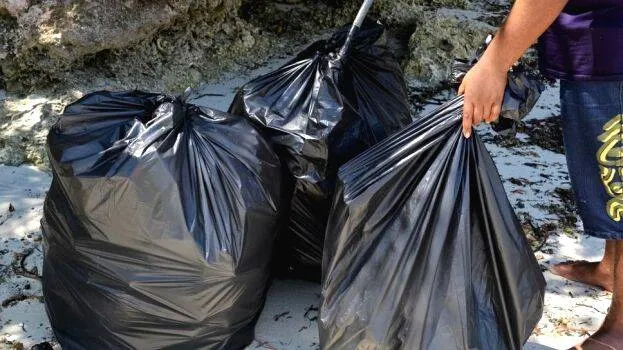
THIRUVANANTHAPURAM: In the wake of the Brahmapuram garbage dump and the dumping of the capital city's waste in Tirunelveli, the government has come up with a new action plan.
The bulk waste generator category, which produces a high amount of waste, will be strictly monitored. It has been found that most of the waste in this category is being dumped in other places and water bodies without being treated. The discharge of waste from homes has reduced significantly.
More facilities will be set up as part of the action plan. Inspections will be intensified under the leadership of local self-government bodies and the Suchithwa Mission.
Their waste management methods will be studied. The rule is that centres that generate more than 100 kg of organic waste must set up their own waste management unit or other systems.
Those who have the space for this should do it properly. Otherwise, waste can only be transferred through an authorised agency. The local body should directly check and ensure that it is an authorised agency.
Bulk waste generators are those centres that generate more than 100 kg of organic waste. This category includes flats, commercial centres, schools, colleges, IT companies, hotels, auditoriums, shopping complexes, hostels, etc. Their list will be prepared by the local self-government institutions.
Squad for inspection
Only 23% disposed
A survey conducted in 70 lakh places, including homes and institutions, found that only 23 percent of waste is being processed.















 HOME
 LATEST
 NOTIFIED NEWS
 POLL
 KERALA
 EDITORIAL
 INDIA
 WORLD
 BUSINESS
 CINEMA
 SPORTS
 LIFESTYLE
 SPECIAL
 SCIENCE & TECHNOLOGY

 |