

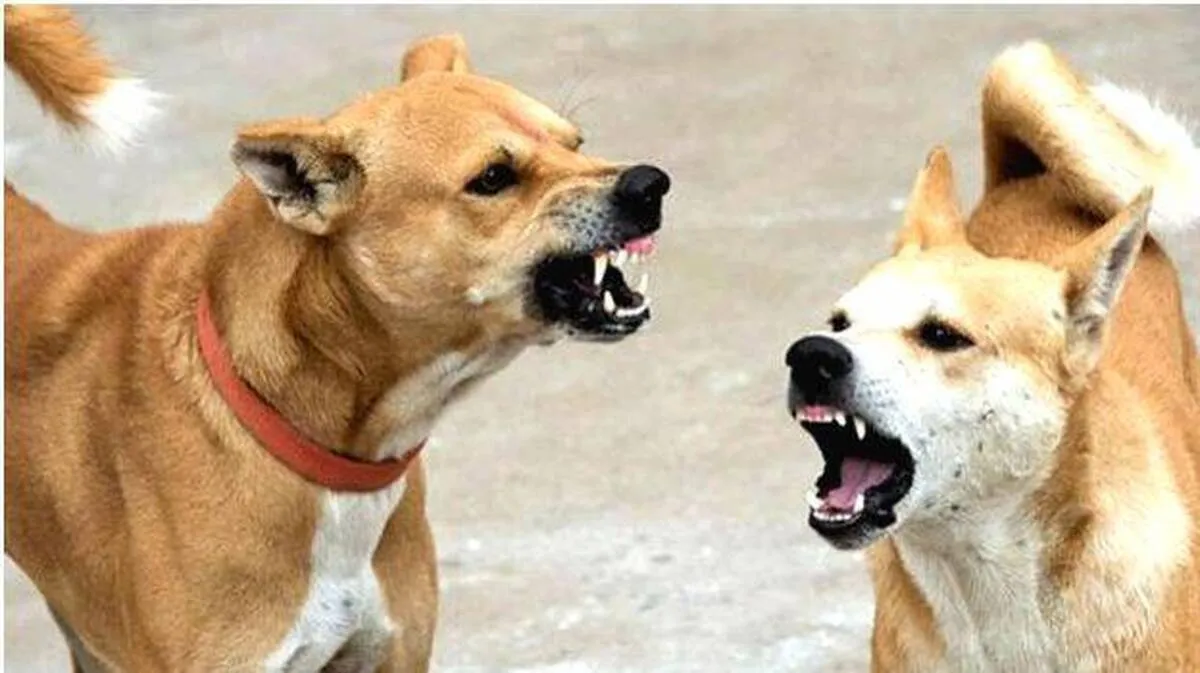
THIRUVANANTHAPURAM: The Kerala state government has initiated administrative procedures to euthanise dangerous stray dogs in alignment with a Supreme Court directive. A state-level monitoring committee has been constituted to oversee the process, and corresponding local bodies will establish distinct panels to execute the measures. Local authorities can commence the culling process immediately upon receiving formal orders from the apex monitoring committee.
The euthanasia process requires the mandatory compilation of a registry identifying dangerous and aggressive dogs. The state-level monitoring committee is chaired by the Principal Secretary of the Local Self-Government Department (LSGD). Its members include the Principal Director of the LSGD, the State Public Health and Environment Officer, the Director of Animal Husbandry, the Director of Health Services, and a representative from the Animal Welfare Board.
At the local level, panels will be headed by the respective local body chairpersons. These committees will comprise an Animal Welfare Board member, a veterinary surgeon from the Animal Husbandry Department within the local jurisdiction, and the designated project implementation veterinary officer. The local panels are required to submit timely reports on the euthanasia procedures to the state-level committee, which is tasked with ensuring the regulations are not misused. All procedures must strictly comply with the Animal Birth Control (ABC) Rules of 2023.
Strict prohibition on mass culling
The government has clarified that the authorisation for euthanasia does not grant local bodies the power to engage in the indiscriminate mass killing of stray dogs. Municipalities and panchayats are required to establish sterilisation centres and shelters for non-aggressive dogs. Furthermore, the court directive mandates that dogs should not be released into public spaces following sterilisation.
Several urban bodies have already initiated infrastructural adjustments:
Protocol and veterinary guidelines
The state has issued explicit operational guidelines to regulate the process:














 HOME
HOME LATEST
 NOTIFIED NEWS
 POLL
POLL KERALA
  EDITORIAL
  INDIA
INDIA  WORLD
WORLD  CINEMA
  SPORTS
  LIFESTYLE
  SPECIAL
  SCIENCE & TECHNOLOGY
 |
|