


The Indian Civil Service was originally established by the British to recruit the finest intellectual minds for the subcontinent's administration. Following Independence, India’s first Home Minister, Sardar Vallabhbhai Patel, preserved this foundational architecture while rechristening it the Indian Administrative Service. The rigorous standard of the colonial-era examination is best understood by recalling two towering personalities who cleared the test but declined to join the service: Sri Aurobindo Ghose and Netaji Subhas Chandra Bose. Although the passage of time has inevitably brought changes and diluted core values, the cadre remains an elite sphere accessible only to exceptionally versatile talents.
During the colonial era, a rigid protocol mandated that civil servants communicate administrative matters strictly to their superiors. Such secrecy was an imperial necessity, as a foreign power naturally sought to prevent sensitive information from reaching the public. Paradoxically, the essence of these restrictive rules survived long after the dawn of independence. It is often the ruler's intent to conceal administrative lapses that demand absolute silence from civil servants. As corruption mutated from a sporadic vice into a systemic menace involving billions, the bureaucracy's mandatory silence became a convenient shield for the political class. In a modern democracy, civil servants sharing certain truths within reasonable institutional boundaries is entirely appropriate. When outdated mindsets attempt to suppress this transparency, it ultimately triggers collective public indignation and institutional decay.
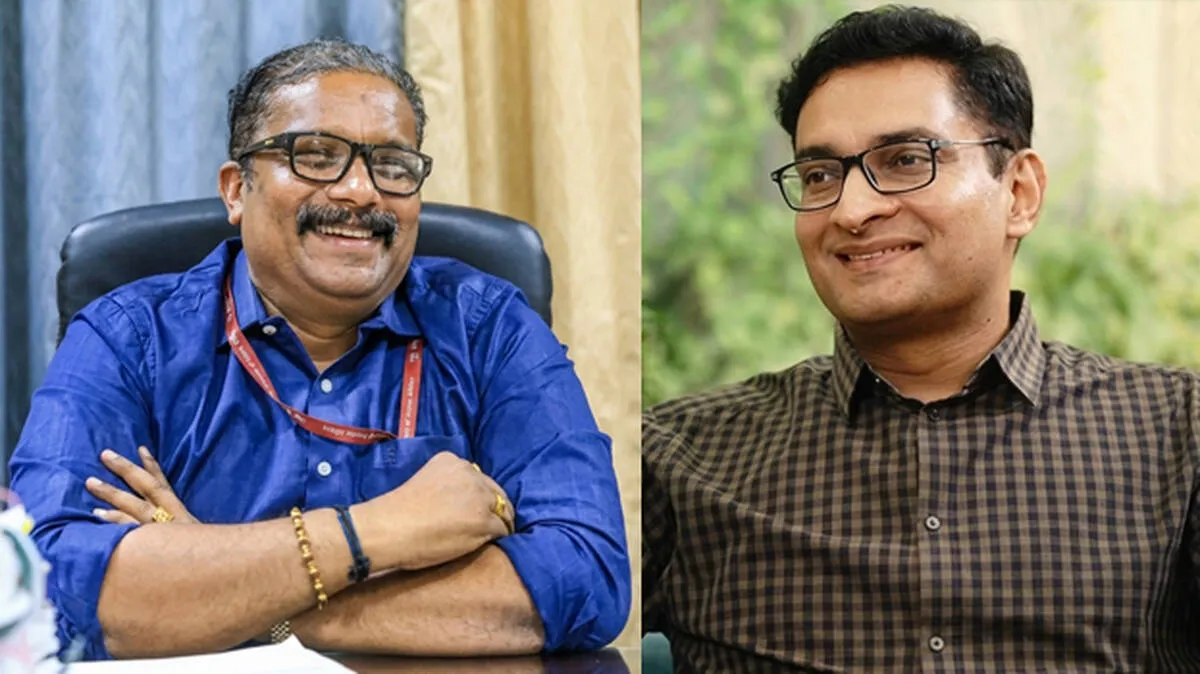
This historical and institutional backdrop is highly relevant as Dr. B. Ashok, a senior officer known for his unyielding integrity, and N. Prasanth, a sharp young bureaucrat, continue to endure prolonged suspension. They were suspended by the previous administration—a government that the electorate has since effectively dismissed from power. Leaving these officers sidelined under the guise of procedural technicalities is entirely indefensible. Reinstating them prior to addressing controversial police actions would have earned the current administration significant public goodwill, especially among the youth.
The political leadership cannot afford to forget the public restlessness that brewed when it took eleven days to finalise the Chief Minister despite winning a decisive 102 seats. The reinstatement of these two officers should have been decreed in the very first cabinet meeting. Allowing the matter to linger and grow cold does not behove the cabinet led by V.D. Satheesan. The public discourse surrounding the interviews of these two officers played a notable role in the United Democratic Front's sweeping victory. The public has already learned from experience how prolonged power can foster autocratic tendencies, even without explicit warnings from the bureaucracy. Authoritarian administrations traditionally weaponise rules, procedures, and technicalities to penalise those who speak the truth. The new government must ensure it does not create an early impression that it is embarking on that identical path.










 HOME
HOME LATEST
 NOTIFIED NEWS
 POLL
POLL KERALA
  EDITORIAL
  INDIA
INDIA  WORLD
WORLD  CINEMA
  SPORTS
  LIFESTYLE
  SPECIAL
  SCIENCE & TECHNOLOGY
 |
|