


Cosmetics are one of the fastest-growing markets in the world. Years ago, they were sold only in developed countries, but today, they are found even in the decrepit corners of the world. In modern society, people often set aside a certain percentage of their salary to buy cosmetics. Although exact figures are not recorded, the market for cosmetics and personal care products in Kerala is estimated to be 22,000-24,000 crores annually. Brand items of very high-priced multinational companies are also at the forefront among the most sold items. Since the number of customers is on the rise, there are complaints that a parallel system of selling counterfeits is attracting a large customer base in the state.
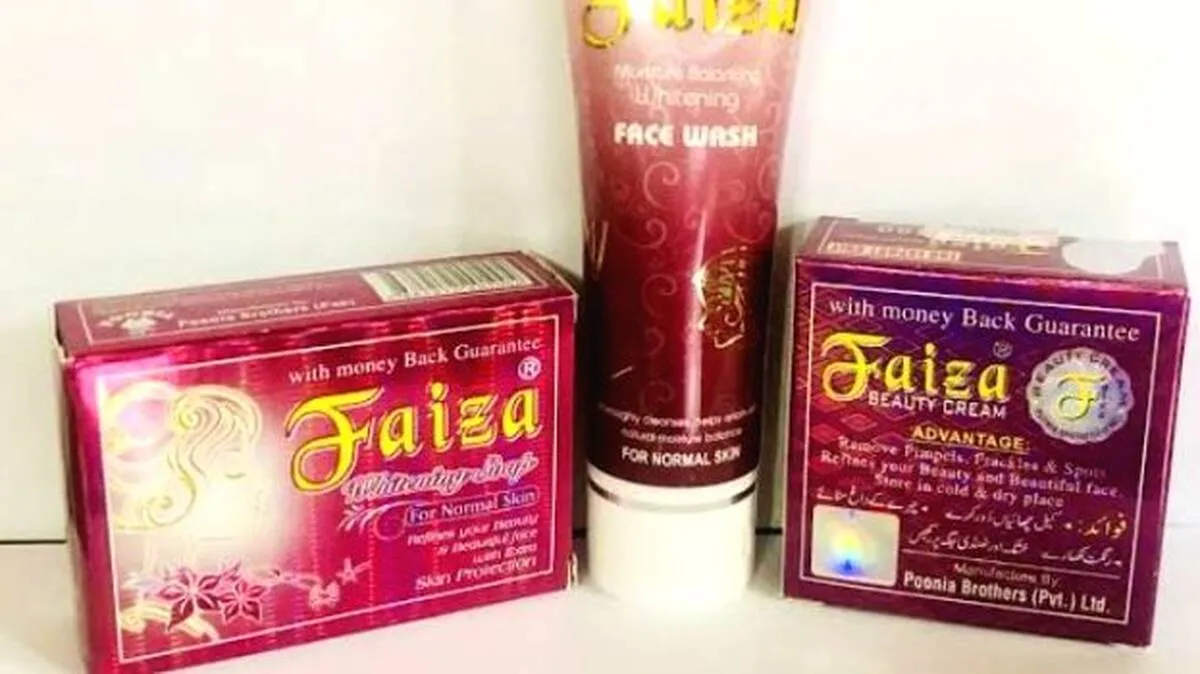
In this context, fake goods worth Rs 9.64 lakh have been seized in inspections conducted by the State Drugs Control Department to prevent the sale of fake products. Minister K. Muraleedharan clarified that this project, named 'Operation Soundarya', completed four phases by the last week of July and inspections will continue. The seized beauty products did not comply with the standards as per the Cosmetics Rules 2020, nor did they have a valid manufacturing license. They were brought to the market without complying with the legal provisions. The seized products include Pakistani-made beauty creams Faiza and Goree, which have been banned in many countries due to dangerous levels of mercury.
The Central Intelligence Agency is also likely to conduct further investigations in this regard. It is to be known whether anti-national activities were carried out under the guise of selling cosmetics. Faiza and Goree were smuggled to Kerala through illegal means after being brought to Gulf countries. These products contain 20,000 times more mercury than the permissible amount. The possibility of developing dangerous skin diseases cannot be ruled out for those who use them regularly. Even if mercury enters the body in small quantities, it can cause damage to the liver and kidneys. These creams, which claim to be useful for brightening the face, are sold for Rs 400 to 500.
The facts will come out only after the central agencies conduct a detailed investigation into how it reached Kerala and who is controlling its distribution network. The discovery that Pakistani-made creams have reached the markets without even purchase bills has raised more doubts. Organisations like the Indian Medical Association have already warned that excessive use of face creams can lead to various health problems. Therefore, the relevant department must take this inspection, Operation Soundarya, forward more energetically and efficiently.














 HOME
HOME LATEST
 NOTIFIED NEWS
 POLL
POLL KERALA
  EDITORIAL
  INDIA
INDIA  WORLD
WORLD  BUSINESS
  CINEMA
  SPORTS
  LIFESTYLE
  SPECIAL
  SCIENCE & TECHNOLOGY
 |
|