

TEHRAN: Amidst efforts to restore peace, Iran and Israel clashed again in the Middle East. Although a serious escalation was predicted, both sides gave in to diplomatic pressure, bringing temporary relief. This was the first time the two sides had clashed since a ceasefire came into effect on April 8.
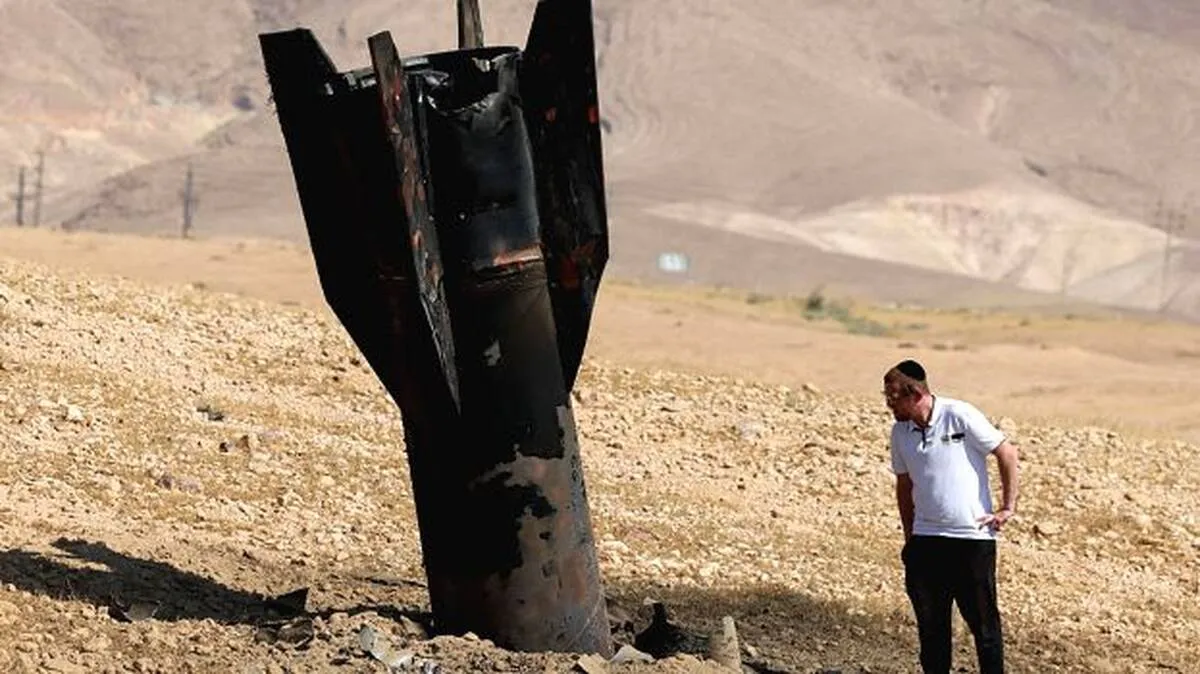
Iran began its attack early on Monday morning, angered by Israel's destruction of Hezbollah facilities in the Lebanese capital, Beirut, on Sunday. Israel retaliated after intercepting about 30 ballistic missiles fired from Iran. Israel's strike was in defiance of US President Donald Trump's appeal for restraint.
By noon, Trump and the mediators had intervened. Both sides demanded an immediate halt to the attacks. Trump spoke by phone with Israeli Prime Minister Benjamin Netanyahu.
Iran, claiming to have completed its mission, announced a halt to the attacks. It also gave an ultimatum that it would resume attacks if Israel repeated its provocations in Lebanon. Israel also announced a halt to the attacks in response to Trump's request. Tel Aviv warned that it would attack Lebanon if Hezbollah rockets crossed the border.
The Indian Embassy in Tehran advised Indians in Iran to leave the country. Travel to Iran has also been banned. Iranian missiles targeted northern and central Israel. Air raid sirens sounded in areas such as Tel Aviv, Jerusalem and Bnei Brak, sending people running for shelters. Passengers at Ben Gurion Airport were evacuated to safer places. No one was injured. Israeli warplanes, without entering Iranian airspace, fired missiles at military installations in central and western Iran, including Mohrabad Airport, and a petrochemical plant in Mahshahr. 14 people were injured.









 HOME
HOME LATEST
 NOTIFIED NEWS
 POLL
POLL KERALA
  EDITORIAL
  INDIA
INDIA  WORLD
WORLD  CINEMA
  SPORTS
  LIFESTYLE
  SPECIAL
  SCIENCE & TECHNOLOGY
 |
|