


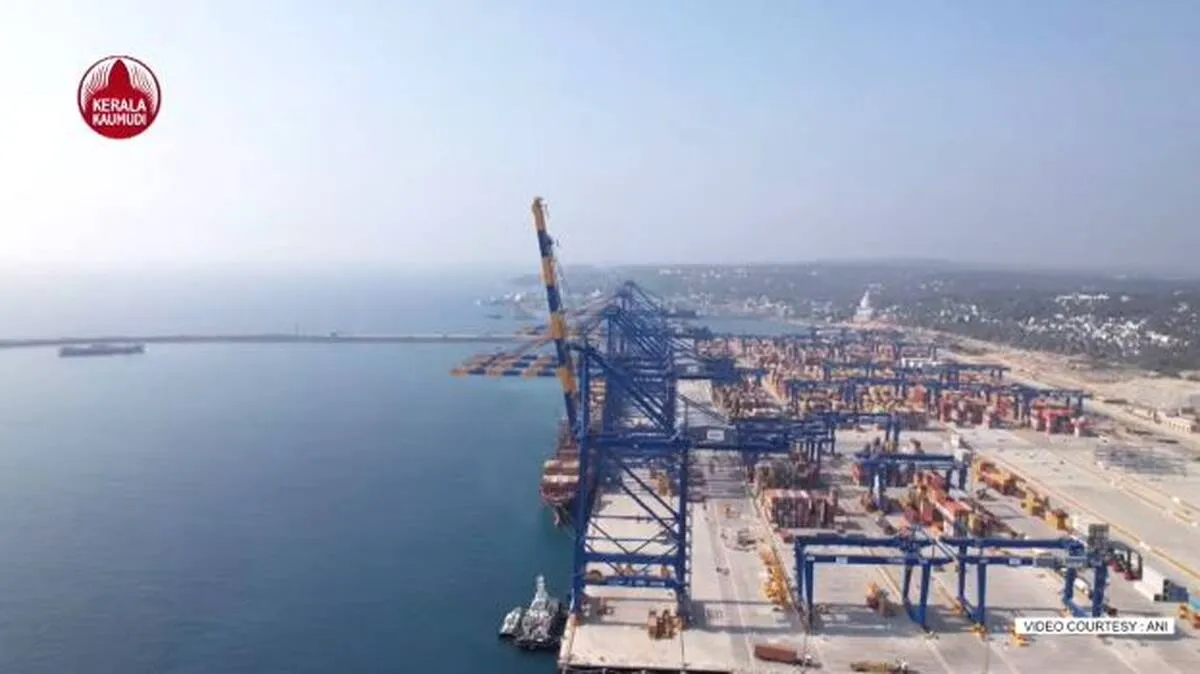
Kerala possesses an enviable natural geography, blessed with an intricate network of rivers, backwaters, and canals, alongside a magnificent 600-kilometre coastline. For decades, this immense natural gift has remained largely underutilised. A transformative shift appears on the horizon as a comprehensive master plan takes shape to interlink the state's major and minor ports, aiming to shift cargo logistics to inland and coastal waterways. This ambitious initiative is poised to inject fresh momentum into the state's infrastructure and economic landscape. Expectations are high that the upcoming maiden budget of the United Democratic Front (UDF) administration, led by Chief Minister V.D. Satheesan, will formally unveil this blueprint. Kerala’s coastline features the premier international transhipment hubs of Vizhinjam and Kochi, alongside four intermediate ports and seventeen minor ports. The proposed waterway network seeks to weave these maritime assets into a cohesive, high-efficiency transport corridor.
Progress is already underway, with the state government actively expanding the shipping channel stretching from Kovalam in the south to Bekal in Kasaragod to a standardised width of 40 metres and a depth of 2.20 metres. The central government has completed its mandate on the Kollam-Kottapuram stretch of the National Waterway, with the subsequent phase from Kottapuram to Kozhikode slated for central execution next. This leaves the state responsible primarily for the southern stretch from Kollam to Kovalam and the northern sector from Kozhikode to Bekal. Visionaries have long maintained that the operationalisation of the Vizhinjam seaport would serve as a catalyst for Kerala’s broader economic resurgence. This overarching waterway project is designed to leverage that exact potential, acting as a domestic artery feeding into the global maritime hub.
Massive container vessels docking at Kochi or Vizhinjam can offload cargo onto smaller coastal ships or barges. These can then seamlessly transport goods to regional hubs such as Kollam, Alappuzha, Kozhikode, and Kasaragod.
Similarly, export-bound commodities from internal districts can easily flow back to the primary ports. A recent analytical report by Kerala Kaumudi underscored the immense fiscal possibilities of this network while simultaneously sounding a note of caution regarding bottlenecks. Bureaucratic inertia and projects stalling halfway are familiar hazards in the state's developmental history. For the waterway project, the primary hurdles lie in a shortage of coastal shipping entrepreneurs and the formidable resistance expected from the established truck and trailer logistics lobby.
The surface transport lobby is highly likely to counter or sabotage the transition to water-based cargo movement to protect its monopolistic hold. Policy planners must anticipate these market distortions to ensure the project reaches fruition. Cost-effective maritime transport will inevitably shrink the highly lucrative margins currently enjoyed by road transport operators, who often prioritise immediate sectoral gains over the state's collective economic growth.
Overcoming such vested interests requires unflinching political resolve. Chief Minister V.D. Satheesan has previously articulated a grand vision of transforming Kerala into a vibrant, port-driven economy. This waterway network is the literal and metaphorical link holding that dream together. Requiring minimal capital expenditure relative to its immense yields, the successful execution of this project will undeniably rewrite Kerala's developmental narrative. Success hinges entirely on sustained administrative focus and unwavering executive will.














 HOME
HOME LATEST
 NOTIFIED NEWS
 POLL
POLL KERALA
  EDITORIAL
  INDIA
INDIA  WORLD
WORLD  CINEMA
  SPORTS
  LIFESTYLE
  SPECIAL
  SCIENCE & TECHNOLOGY
 |
|