


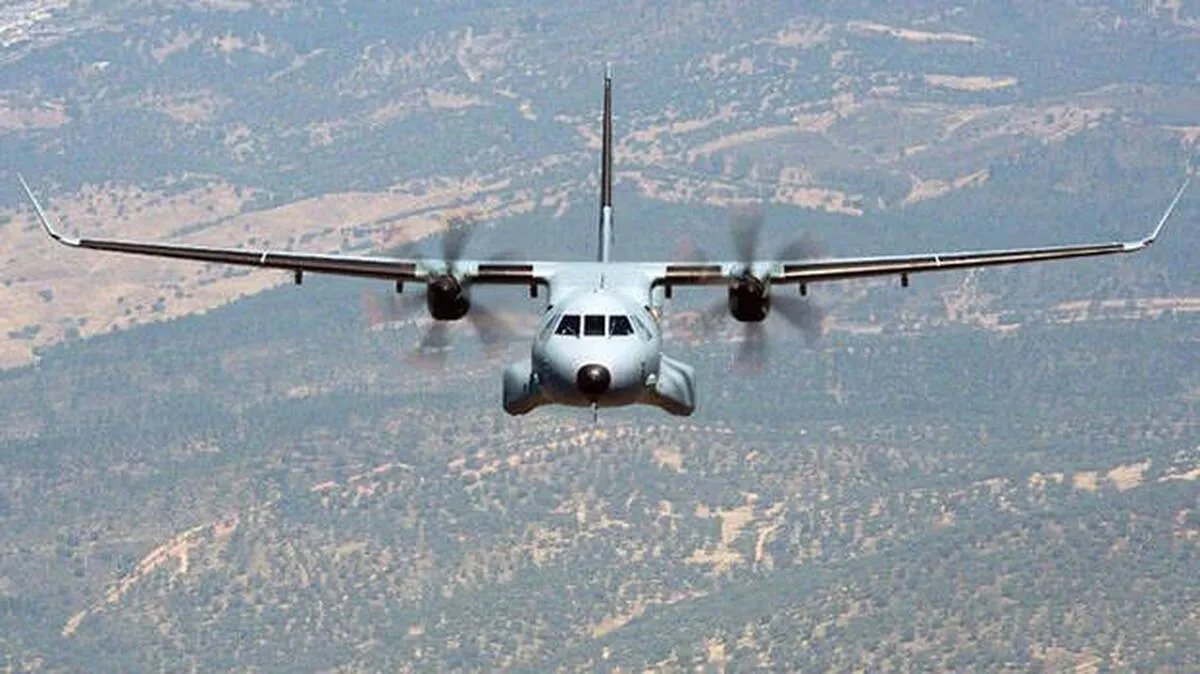
Think about the risks of working on an aircraft and turbulence, long hours and jet lag may come to mind. Radiation probably does not. A new study from researchers at Harvard Medical School has put an unexpected occupational health risk under the spotlight: cosmic radiation. Researchers analysed more than 12.7 million US death records from 2020 to 2024 across 503 occupations, including about 14,000 pilots and 7,000 flight attendants. The study, published in JAMA Internal Medicine, found that flight attendants had the highest proportion of deaths from radiation-related cancers, followed by pilots.
About 6.9 per cent of deaths among flight attendants and 6.7 per cent among pilots were from the radiation-related cancers examined in the study. The researchers adjusted their analysis for factors including age, sex, race, ethnicity, education and marital status.
So, what makes flying different?
The answer lies thousands of feet above the ground.
Commercial aircraft cruise at altitudes where the atmosphere is thinner. Earth's atmosphere provides substantial protection against cosmic radiation, but that shielding is reduced at cruising altitude. As a result, aircrew members receive greater exposure to ionising radiation from cosmic rays.
According to the researchers, aircrew members receive an estimated 3 to 6 millisieverts of cosmic radiation a year, depending on their flight routes. An average traveller taking 10 cross-country round trips in a year receives an estimated 0.4 millisieverts, according to figures cited in the study's supporting material.
That difference becomes more relevant for people who spend hundreds of hours in the air year after year.
The cancers classified as radiation-related in the study included breast cancer, central nervous system cancers, multiple myeloma, leukemia, lymphoma, thyroid cancer, prostate cancer, melanoma and non-melanoma skin cancers. Researchers found significantly higher mortality among aircrew from several of these cancers, including breast, central nervous system and prostate cancers and melanoma. Pilots also had a higher rate of leukemia deaths.
The findings were striking even when compared with workers who might seem more obviously exposed to radiation. Nuclear technologists, for example, ranked 12th among the occupations studied for the proportion of radiation-related cancer deaths, while flight attendants and pilots ranked first and second.
But there is an important catch.
The study does not prove that cosmic radiation caused the individual cancer deaths.
Researchers did not have individual records showing exactly how much radiation each pilot or flight attendant had received throughout their career. The study therefore identifies an association between occupation and radiation-related cancer mortality rather than proving a direct cause-and-effect relationship.
Other aspects of aircrew life could also play a role. Pilots and flight attendants regularly work irregular hours, cross time zones and experience disrupted sleep and circadian rhythms. The researchers noted that such factors could not be completely separated from radiation exposure in the study.
That distinction is important for passengers.
The findings do not mean that taking a holiday flight or flying occasionally puts an ordinary passenger at the same level of occupational exposure. The concern is primarily about people who spend their careers repeatedly flying at high altitude.
There is, however, a reason the study is attracting attention beyond the aviation industry.
Aircrew members receive the largest estimated average annual dose of ionising radiation of any occupational group in the United States, primarily because of cosmic radiation encountered at commercial flight altitudes. The researchers said the findings support considering occupational radiation protections for US aircrew members in line with their level of exposure.
So the next time a flight climbs above the clouds, there is more going on than simply leaving the ground behind.
For most passengers, cosmic radiation is unlikely to be something worth worrying about during an occasional journey. For those who spend their working lives at 30,000 feet, however, the new research suggests that the health effects of life in the skies deserve a closer look.












 HOME
HOME LATEST
 NOTIFIED NEWS
 POLL
POLL KERALA
  EDITORIAL
  INDIA
INDIA  WORLD
WORLD  BUSINESS
  CINEMA
  SPORTS
  LIFESTYLE
  SPECIAL
  SCIENCE & TECHNOLOGY
 |
|