


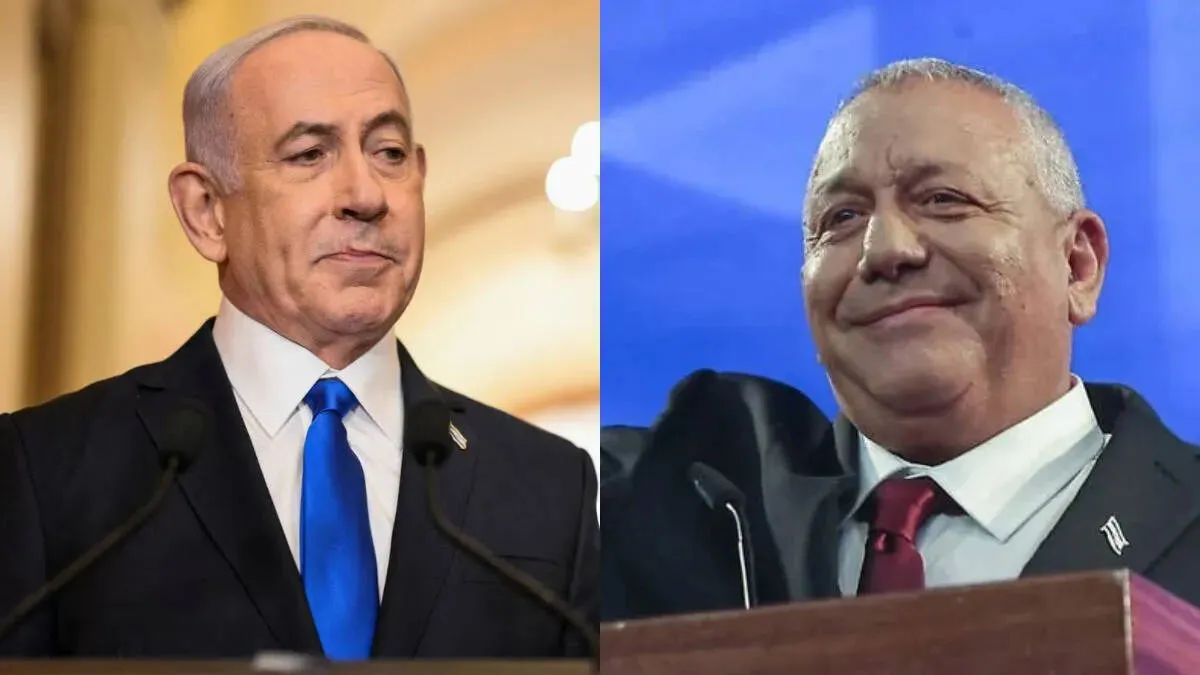
TEL AVIV: As vote counting progresses in the Israeli parliamentary elections, reports suggest that it is a neck-and-neck race between former army chief Eisenkot and Netanyahu. With 50.1% of the votes counted, the party of incumbent Prime Minister Benjamin Netanyahu is in the lead, securing 56 seats. The opposition alliance, led by former military chief Gadi Eisenkot, follows closely with 46 seats. Reports suggest that Arab parties are leading with 15 seats. It is indicated that the current results could shift.
Exit polls suggested that the opposition alliance could overtake Prime Minister Benjamin Netanyahu’s coalition by a narrow margin to seize power. However, current reports indicate that neither alliance is likely to secure the 61 seats required to form a government.
Given the tight race, an accurate prediction is impossible. Nevertheless, the latest exit polls suggest a slight edge for Benjamin Netanyahu’s alliance. The stance of Arab parties will prove crucial in the government formation. A clearer indication of the results is expected by this afternoon.
This year marked a record voter turnout as citizens cast their ballots with great enthusiasm in a crucial election. According to the figures, 74 per cent of the electorate cast their votes, the highest since the 1977 election, which brought the far-right to power. The surge in the voting percentage was driven by a massive turnout among the Arab minority—Palestinians who hold Israeli citizenship. There are 7,331,981 eligible voters in the country.














 HOME
 LATEST
 NOTIFIED NEWS
 POLL
 KERALA
 EDITORIAL
 INDIA
 WORLD
 BUSINESS
 CINEMA
 SPORTS
 LIFESTYLE
 SPECIAL
 SCIENCE & TECHNOLOGY

 |