


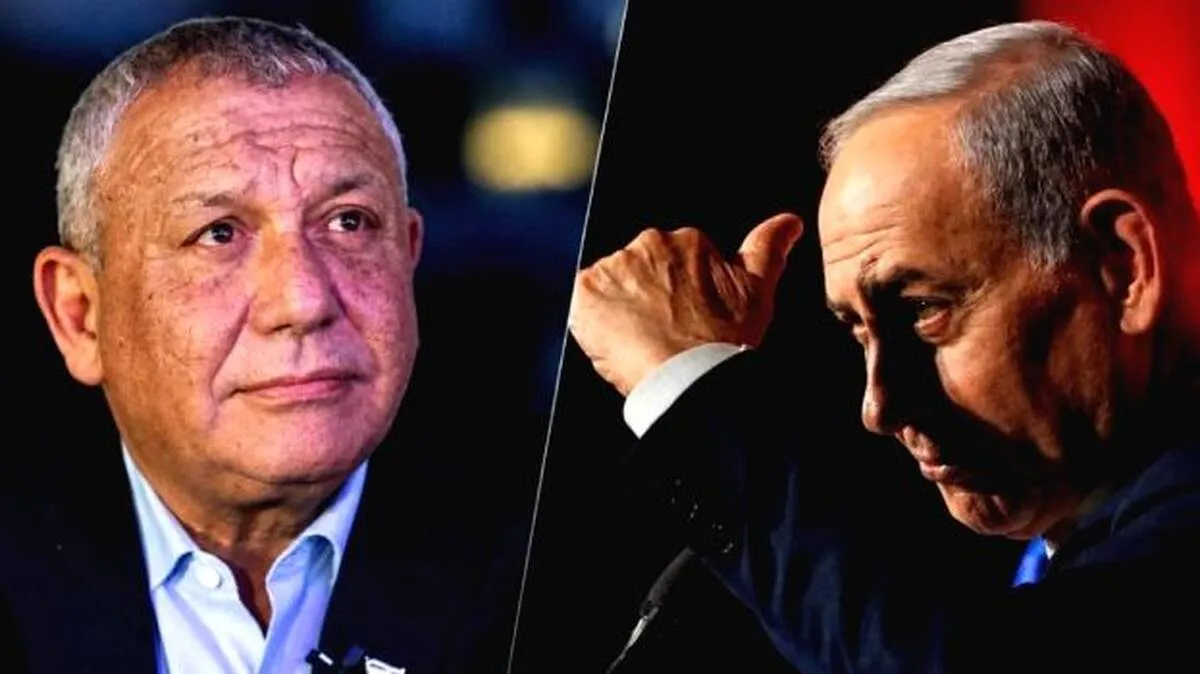
TEL AVIV: Israeli Prime Minister Benjamin Netanyahu is facing the heat ahead of the first general election following major turning points in Israel's political history—including the wars in Gaza and with Iran, as well as the Hamas attack on October 7, 2023.
The election is being viewed as a referendum on how the public evaluates Netanyahu. His opponent is former army chief Gadi Eisenkot, who is running under a newly formed 'Yashar' party. Eisenkot also enjoys significant public support. Former Prime Ministers Yair Lapid and Naftali Bennett have extended their backing to Eisenkot.
Eisenkot promised that he would dismantle Hamas's rule in Gaza within 18 months after assuming power.
The election is for the 120 seats in the 'Knesset' (parliament). A majority requires 61 seats. No single party has ever secured an outright majority in the history of Israel's elections; a coalition must be formed to govern.
In 2022, Benjamin Netanyahu’s Likud party emerged as the leading force and came to power with the support of far-right parties.
Preliminary results are expected early on Wednesday. Discussions and official procedures to form a government will span several weeks. These processes will commence only after the Election Commission officially publishes the results on November 4.
Meanwhile, US President Donald Trump hailed Netanyahu as an 'outstanding warrior' and asked Israelis to vote for him.















 HOME
 LATEST
 NOTIFIED NEWS
 POLL
 KERALA
 EDITORIAL
 INDIA
 WORLD
 BUSINESS
 CINEMA
 SPORTS
 LIFESTYLE
 SPECIAL
 SCIENCE & TECHNOLOGY

 |