


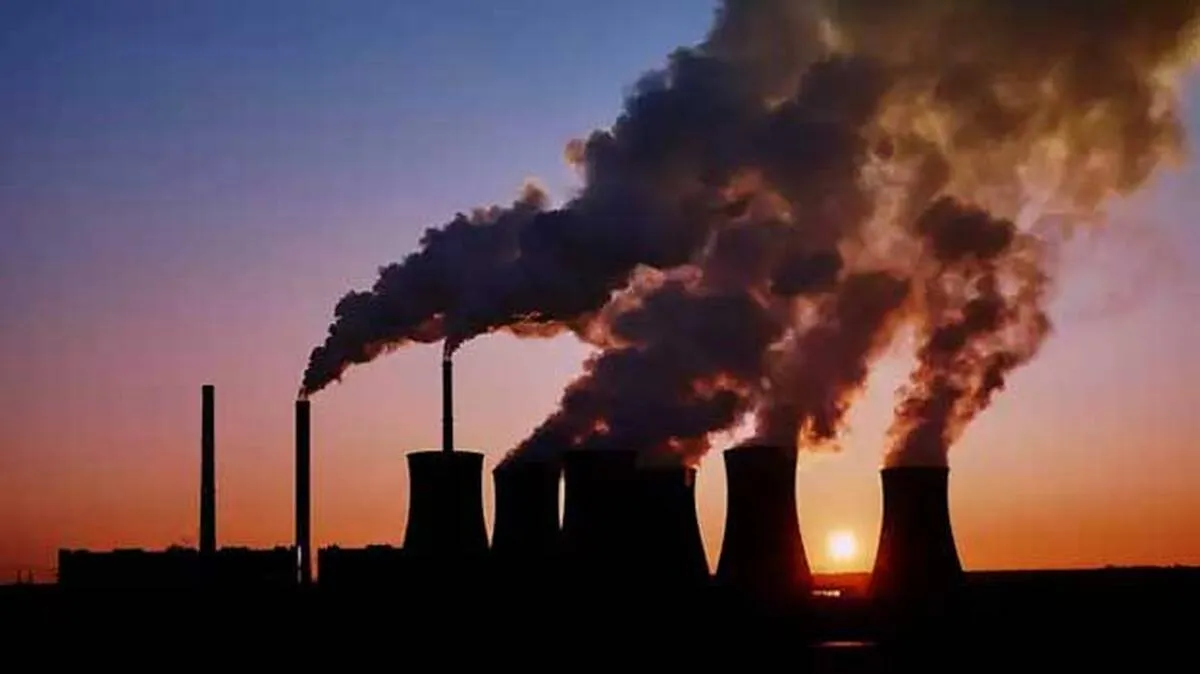
NEW DELHI: India’s coal-fired power generation recorded no growth over a two-year period, as the country continues efforts to achieve net-zero emissions by 2070. A Centre for Research on Energy and Clean Air (CREA) analysis found that this was the first time in more than 50 years that India’s coal power generation had recorded no growth over a two-year period.
Despite a 7% increase in electricity generation between the first half of 2024 and the first half of 2026, the additional demand was met entirely by clean-energy sources. Solar generation increased by 44 TWh, while wind, hydropower and nuclear generation rose by 13 TWh, 8 TWh and 7 TWh, respectively.
India has also already crossed its Paris Agreement-linked target of having 50% of its installed electric power capacity from non-fossil fuel sources by 2030. The non-fossil share of installed capacity had reached 52.57% by February 28, 2026.
Although generators added 8.5 GW of new coal-fired capacity over the two-year period, the plants recorded fewer running hours. Around 43 GW of coal-fired power capacity was under construction as of the end of June 2026.
Gujarat recorded the largest reduction in fossil-fuel power generation during the period, while also registering the largest expansion in clean-power generation.
As of July 31, 2026















 HOME
HOME LATEST
 NOTIFIED NEWS
 POLL
POLL KERALA
  EDITORIAL
  INDIA
INDIA  WORLD
WORLD  BUSINESS
  CINEMA
  SPORTS
  LIFESTYLE
  SPECIAL
  SCIENCE & TECHNOLOGY
 |
|