


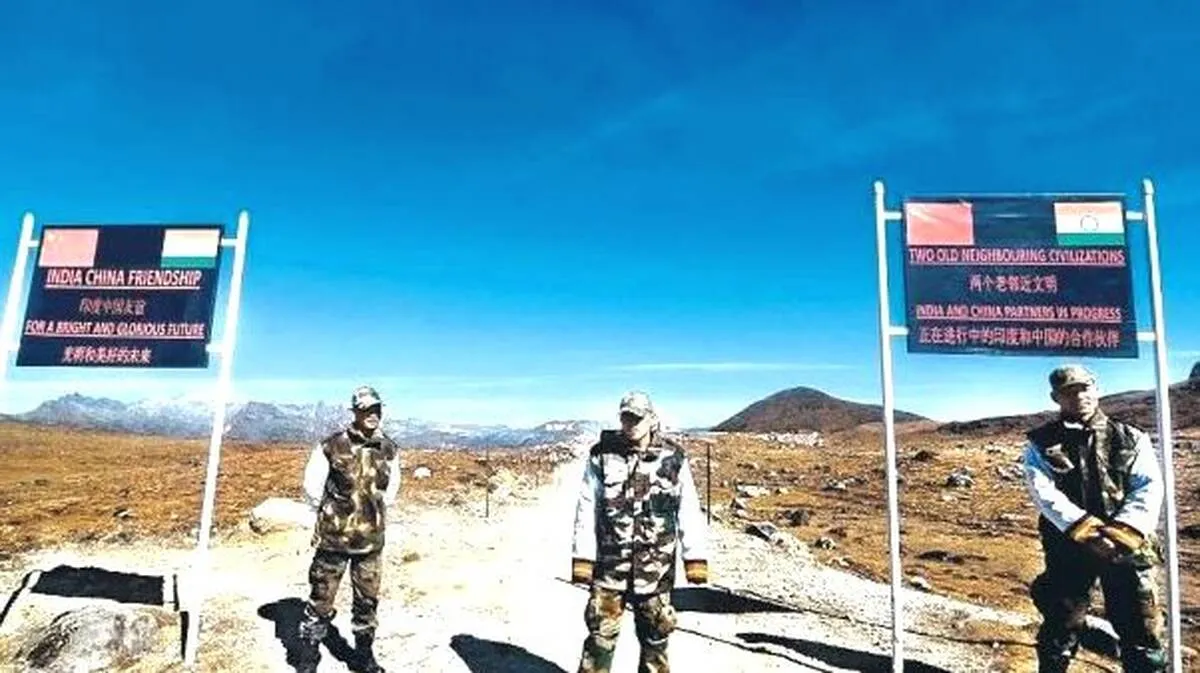
NEW DELHI: The Indian Army has destroyed 17 tents set up by the Chinese military at Taksing in Arunachal Pradesh. The Chinese troops had pitched the tents about six to seven kilometres from the Line of Actual Control (LAC), in an area where soldiers of both countries are allowed to patrol. The move violated an understanding that no construction activity should take place in patrolling zones.
The sequence of events began last July, when the two armies came face to face during routine patrolling near Maja in the Upper Subansiri district. There was a minor scuffle, but both sides pulled back. A few days later, a larger Chinese contingent returned and set up tents in the Taksing area.
ITBP chief Shatrujeet Kapoor had recently stated that Indian troops remained locked in a standoff with Chinese forces at several locations in Arunachal Pradesh.
Tensions have simmered since 2020, when Chinese incursions in eastern Ladakh strained diplomatic and bilateral ties. The Ministry of External Affairs has said that talks at both diplomatic and military levels are continuing to improve relations. It has also said that the unease stems from the Chinese army changing its usual patrolling practices.
Meanwhile, the Army has readied a new war doctrine that will let it keep fighting, and change tactics, even if the enemy destroys communication systems on the battlefront. Released by Defence Minister Rajnath Singh, the doctrine is designed to meet the challenges of modern warfare over the next 20 to 30 years. It replaces the 2018 doctrine.
Besides drones and artificial intelligence, the new policy stresses the decision-making ability of soldiers and an uninterrupted supply of weapons. It draws lessons from ongoing international conflicts, including the war in Ukraine, and from India’s Operation Sindoor.
Key features of the doctrine include:















 HOME
 LATEST
 NOTIFIED NEWS
 POLL
 KERALA
 EDITORIAL
 INDIA
 WORLD
 BUSINESS
 CINEMA
 SPORTS
 LIFESTYLE
 SPECIAL
 SCIENCE & TECHNOLOGY

 |