


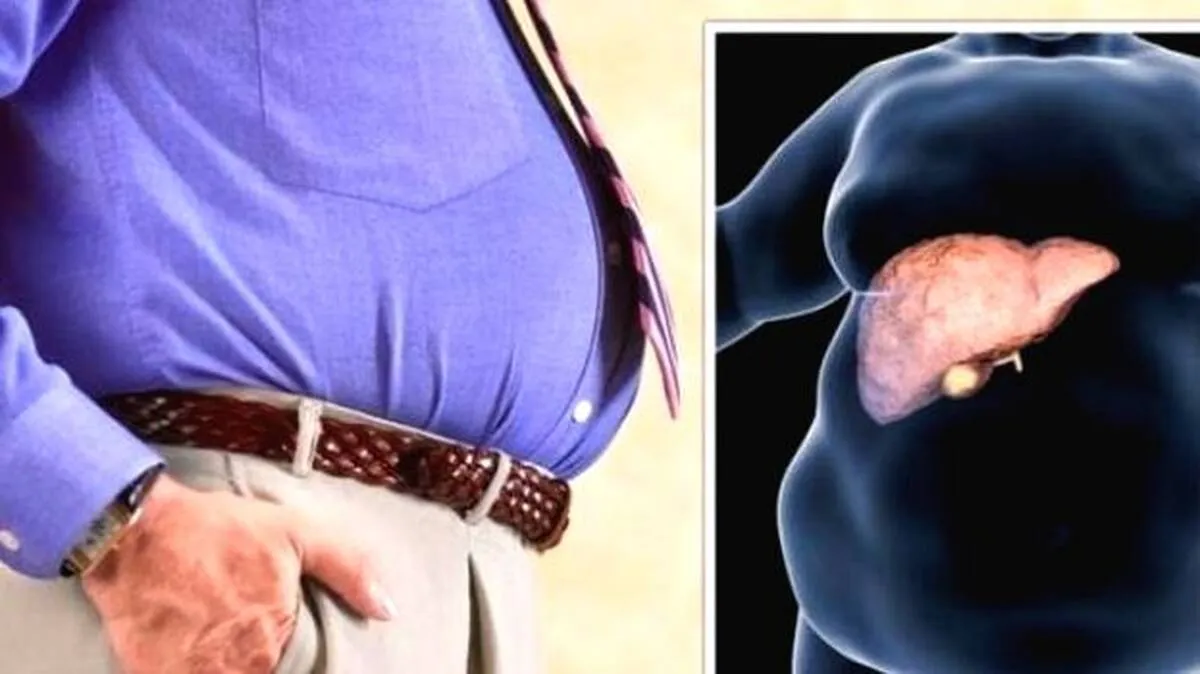
When people discuss liver disease, the focus is often on alcohol consumption. However, most cases of liver disease are caused by factors other than alcohol, and even people who abstain completely can suffer from liver disease. Many types of liver disease are symptomless until late stages.
Fatty liver is increasingly being diagnosed in people who do not drink. The conditions that lead to diseases like fatty liver in non-drinkers include: obesity, diabetes, high cholesterol, an inactive lifestyle and poor diet
The condition usually does not show any specific symptoms, apart from general tiredness or occasional type of discomfort. Some people may have few or no noticeable symptoms at all. As a result, abnormal liver enzymes or signs of fat on the liver may not be discovered until a routine medical check-up.
Liver function is closely connected to a person’s overall metabolic health. Obesity, particularly around the abdomen, insulin resistance and diabetes can increase the risk of fatty liver. Regular exercise, a healthy diet and the control of blood sugar and cholesterol levels are therefore essential to liver health.
A large amount of sugar intake, junk food and calorie-dense meals can also contribute to the development of liver disease over time, even if the damage is not immediately apparent.
There are also some risk factors that have nothing to do with lifestyle. Hepatitis B and C remain the risk elements to liver health; chronic infections can severely affect the organ, sometimes without showing any particular symptoms. As a result, liver damage may not be suspected until a routine blood test or later complications prompt further testing.
Drugs and supplements represent another hazard that is often underestimated. Medications that suppress the immune system, for instance, or are taken in excessive amounts may interfere with normal liver function. The same applies to certain herbal or nutritional supplements – despite their natural origin, they are not necessarily safe in large quantities or in combination with other substances.
The absence of some particular symptoms should not be interpreted as a sign of liver health. Continuous tiredness, loss of appetite, unexpected weight loss or gain, abdominal swelling, yellowish colour in the eyes or skin and dark urine should be signs to visit a doctor. People with diabetes, obesity, abnormal cholesterol or a history of hepatitis or other conditions may need to discuss a routine screening with their doctor.
Liver health involves more than just avoiding alcohol. A person’s diet, level of physical activity, management of diabetes and cholesterol, potential hepatitis infections and even the medications or supplements they take can all affect liver function.
Since many liver diseases can develop without presenting distinctive or obvious symptoms, recognising the risk factors early is paramount. Particular attention should be paid to routine blood tests, as they are often the best opportunity to identify early liver disease. Making adjustments to the diet and day-to-day weight management can prevent a minor problem from turning into a serious illness.
Dr Kartik Kulshrestha is a consultant in Surgical Gastroenterology, Apollo Adlux Hospital, Angamaly














 HOME
 LATEST
 NOTIFIED NEWS
 POLL
 KERALA
 EDITORIAL
 INDIA
 WORLD
 BUSINESS
 CINEMA
 SPORTS
 LIFESTYLE
 SPECIAL
 SCIENCE & TECHNOLOGY

 |