

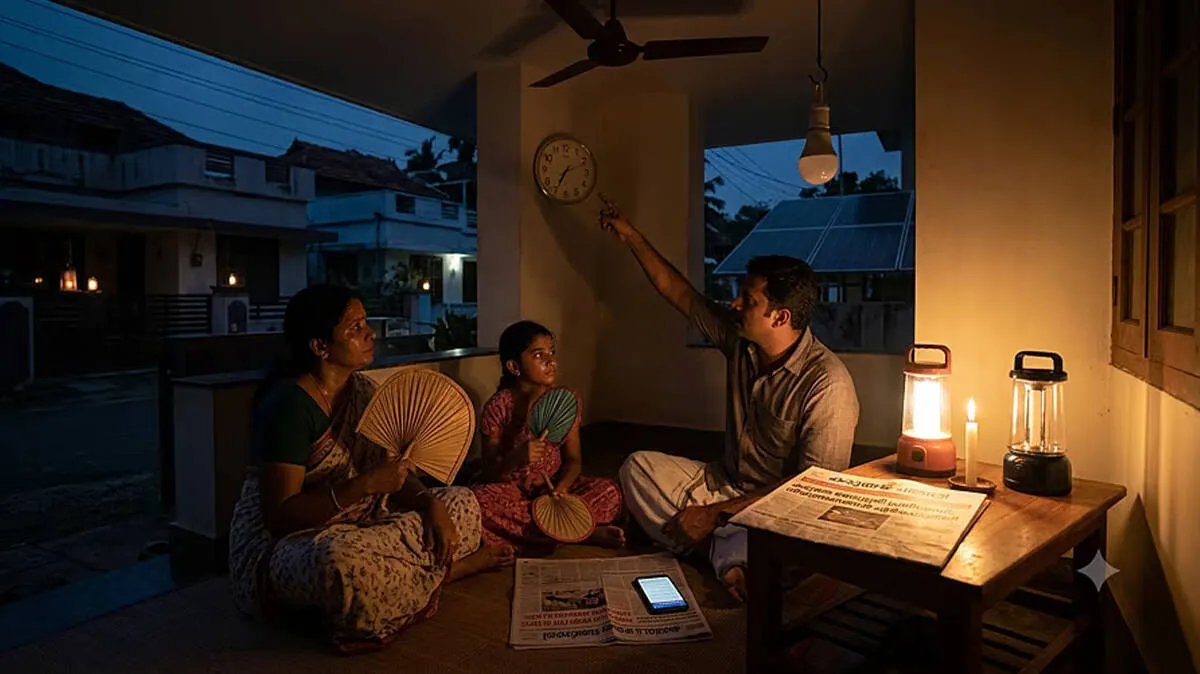
These days, staying in Kerala is akin to being in a steam chamber. The heat has reached an intolerable level, leaving people to rely fully on air conditioners, but then there are power outages. Moreover, running fans and air conditioners constantly can invite an electricity bill that would make anyone's eyes gape in shock.
However, not all is lost. There still exist some hacks that, if used wisely, will bring respite even in this sweltering climate.
How to use a fan during hot weather?
When you are sweaty, the first thing to do upon entering a room is to switch on the fan. Fans do not actually lower the room's temperature; instead, they help you feel cooler by increasing air circulation. During summer, set your ceiling fan to rotate in a counter-clockwise direction. If you are using a table fan, placing a bowl of ice or cold water in front of it can help reduce the heat effectively. This is a simple way to get some immediate relief from the heat.
Close all windows and curtains 11 am-3 pm; open fully after 5 pm and early morning 5-7 am - traps cool night air inside
Heat within
Many appliances used in daily life can inadvertently raise the indoor temperature. It is advisable to avoid cooking indoors during the hottest times of the day, as the excess heat generated during cooking can drive up the room temperature. Turning off electronic devices when not in use helps reduce heat. Replacing incandescent bulbs with LED bulbs can also lower the indoor temperature. Even appliances that emit only a small amount of heat can cause the overall room temperature to rise when used simultaneously.
Cotton, Linen game
It is advisable to use cotton or linen bedsheets and spreads instead of synthetic fabrics during this summer. Placing water-filled earthen vessels in the room can also help keep it naturally cool; as the water evaporates, it absorbs heat from the surroundings, thereby naturally lowering the ambient temperature. People in the past relied on natural methods to manage the heat; hanging wet cloths near windows is one such traditional practice.














 HOME
HOME LATEST
 NOTIFIED NEWS
 POLL
POLL KERALA
  EDITORIAL
  INDIA
INDIA  WORLD
WORLD  BUSINESS
  CINEMA
  SPORTS
  LIFESTYLE
  SPECIAL
  SCIENCE & TECHNOLOGY
 |
|