


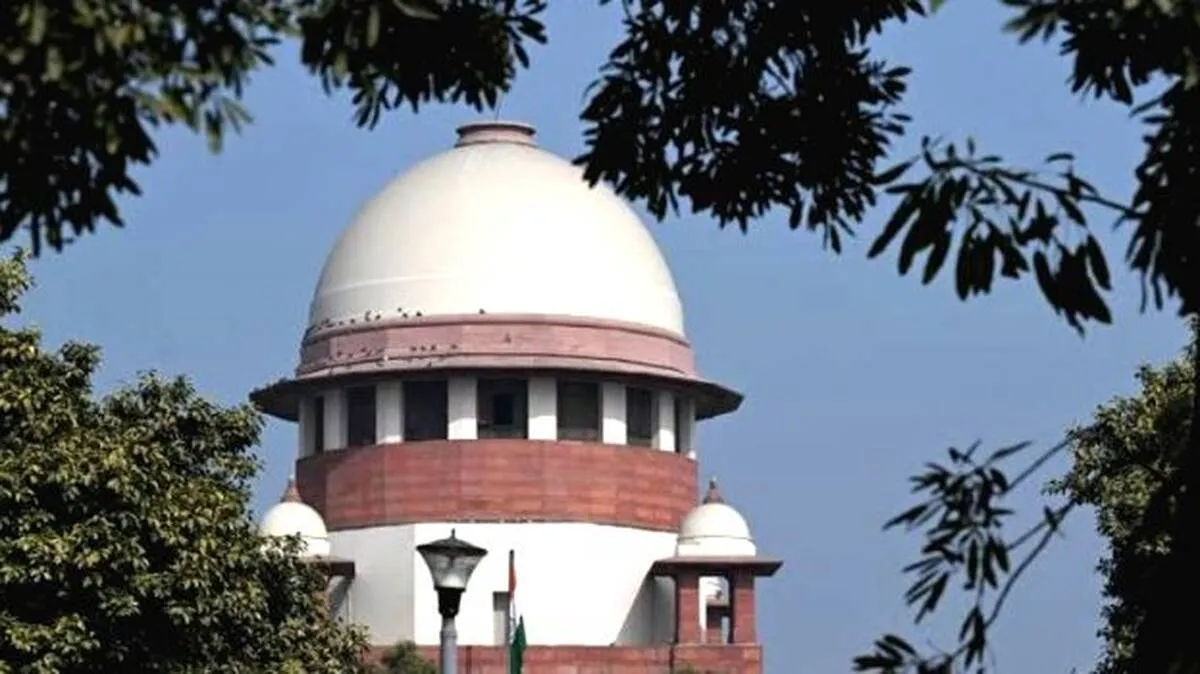
NEW DELHI: The Supreme Court engaged in self-criticism, acknowledging that the Collegium is yielding to the Central Government regarding recommendations for judicial appointments. Justice Dipankar Datta bluntly stated that the Collegium has been relegated to a secondary position in the appointment of Supreme Court and High Court judges.
These observations were made in the verdict referring petitions challenging the 2023 Central law on the appointment of the Chief Election Commissioner and Election Commissioners to a Constitution Bench.
The apex court demanded that a solution be found for this situation.
“The Central Government accepts only select recommendations sent by the Supreme Court Collegium. Selecting and appointing only specific individuals undermines the sanctity of the Collegium's decisions. Despite the frequent stalling of appointments, the Collegium avoids confrontation with the executive. In doing so, it manages to avert a constitutional crisis. A situation must be created—at least for the future—where criticism regarding the failure to select the best judges does not arise. The public perception is that judges appoint judges, and the Collegium bears the blame for flawed decisions. However, the final decision on appointments rests with the Executive; therefore, the court clarified that the argument that "judges appoint judges" is untenable.















 HOME
HOME LATEST
 NOTIFIED NEWS
 POLL
POLL KERALA
  EDITORIAL
  INDIA
INDIA  WORLD
WORLD  BUSINESS
  CINEMA
  SPORTS
  LIFESTYLE
  SPECIAL
  SCIENCE & TECHNOLOGY
 |
|