

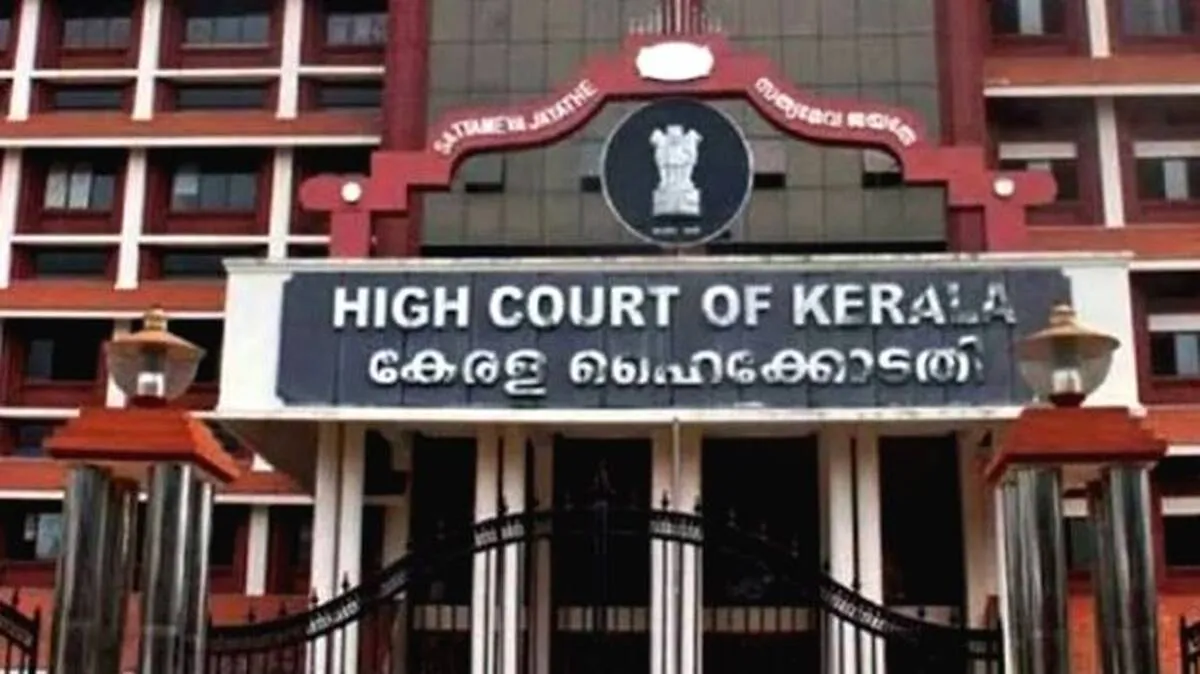
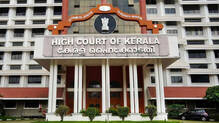
KOCHI: The High Court said that the constitutional benefits of Scheduled Castes cannot be denied just because they could not prove their caste. It has also been directed that while examining caste certificates under the Kerala Community Certificate (Regulation) Act, members of this category should not be compelled to produce evidence as expected from ordinary citizens. The division bench comprising Justice A.K. Jayasankaran Nambiar and Justice A.K. Preetha ordered that benefits should not be denied unless the government find any evidence of fraud in the caste certificate.
The court's observation is in the order quashing the action of invalidating the service of V. Balan, a native of Thrissur, on the charge of presenting a fake caste certificate for Scheduled Tribe benefits. The petitioner, who joined the postman job in 1980 claiming to be from the "Malai Pandaram" community, retired in 2015.
The government ordered the cancellation of service and withdrawal of benefits based on a study report that Balan belonged to the OBC 'Pandaram (Veerashaiva)' community.
In Balan's appeal against the single-bench verdict that upheld this action, the division bench observed that there was a violation of natural justice. The court directed the scrutiny committee to take a fresh decision within six months. It also ordered that the provisional pension would continue till then.
The High Court reminded the authorities to adopt a liberal approach when found denying constitutional benefits. The Scrutiny Committee and the government decided without examining the detailed allegations made by V. Balan in the study report.
The court took into account the practical difficulties in producing identity documents for Scheduled Castes. The caste benefits of a person should not be cancelled solely on the basis of lack of documents without clear evidence. The overall circumstances, such as whether anyone else in the family is a beneficiary of welfare schemes, should also be examined.










 HOME
HOME LATEST
 NOTIFIED NEWS
 POLL
POLL KERALA
  EDITORIAL
  INDIA
INDIA  WORLD
WORLD  BUSINESS
  CINEMA
  SPORTS
  LIFESTYLE
  SPECIAL
  SCIENCE & TECHNOLOGY
 |
|