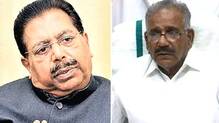



THIRUVANANTHAPURAM: The Kerala Legislative Assembly has passed the Finance Bill, incorporating the tax structure for low-alcohol-content beverages, despite a walkout and subsequent boycott by the opposition. Chief Minister V.D. Satheesan firmly rejected the opposition's allegations surrounding the legislation, clarifying that the bill merely outlines the tax framework while leaving the final decision on sales to the ruling coalition.
To alleviate concerns within the ruling United Democratic Front (UDF) alliance, a specific amendment was introduced to clauses three and five of the Finance Bill. This newly added provision stipulates that a special notification must be officially issued before the tax rates on low-strength liquor can be implemented in the state.
Defending the move during the legislative discussion, Chief Minister Satheesan stated that Kerala has set the highest tax rate for low-alcohol beverages among all South Indian states. He emphasized that the definitive decision on whether to permit the sale of such beverages rests entirely with the UDF and remains open for statewide discussion. He clarified that if the political front decides against the sales, it will not proceed, noting that the budget and the Finance Bill have simply pre-determined the tax structure in the event that a favorable decision is reached.
The Chief Minister added that any actual commercial roll-out would remain strictly under the regulatory supervision of the Excise Department and the Kerala State Beverages Corporation (Bevco), requiring formal government orders and clearance. Targeting critics within his own alliance, Satheesan remarked that certain individuals had joined hands with the opposition to unnecessarily blow the issue out of proportion and diminish the significance of the state budget. He questioned how former Chief Minister Pinarayi Vijayan, who governed Kerala for a decade, could claim to be unaware that budget tax proposals are routinely integrated into the Finance Bill.
Denying allegations that the provisions were covertly smuggled into the bill, the Chief Minister cited past administrative file notes from the previous Left Democratic Front (LDF) tenure. He mockingly pointed out that the previous Left government had formally recorded that low-alcohol beverages help mitigate alcoholism and had recommended aligning their tax rates with those of beer and wine. Apart from the liquor tax framework, the newly passed Finance Bill includes other major budgetary proposals, such as the revision of the fair value of land and a 50 percent reduction in taxes for private passenger vehicles.
Concurrently, the Chief Minister announced the launch of an ambitious 100-day action plan to expedite and clear 541 development projects across the state. He informed the Assembly that the state cabinet had thoroughly scrutinized proposals from various government departments and approved projects that are viable for immediate implementation.
To ensure strict compliance and timely execution, the 100-day timeline will be divided into five distinct phases of 20 days each. The progress of these projects will be meticulously monitored and analyzed directly from the Chief Minister's Office using advanced technological systems. Satheesan concluded by stating that this initiative aims to bring a definitive end to the massive drainage of public taxpayer money caused by development projects being delayed for 10 to 15 years.









 HOME
HOME LATEST
 NOTIFIED NEWS
 POLL
POLL KERALA
  EDITORIAL
  INDIA
INDIA  WORLD
WORLD  BUSINESS
  CINEMA
  SPORTS
  LIFESTYLE
  SPECIAL
  SCIENCE & TECHNOLOGY
 |
|