

WASHINGTON: Following airstrikes by the US, Iran completely closed the Strait of Hormuz. Iran announced it was closing Hormuz due to insecurity in the region. A complete ban on ships was imposed. There are reports that Iran will attack ships trying to pass through Hormuz without permission.
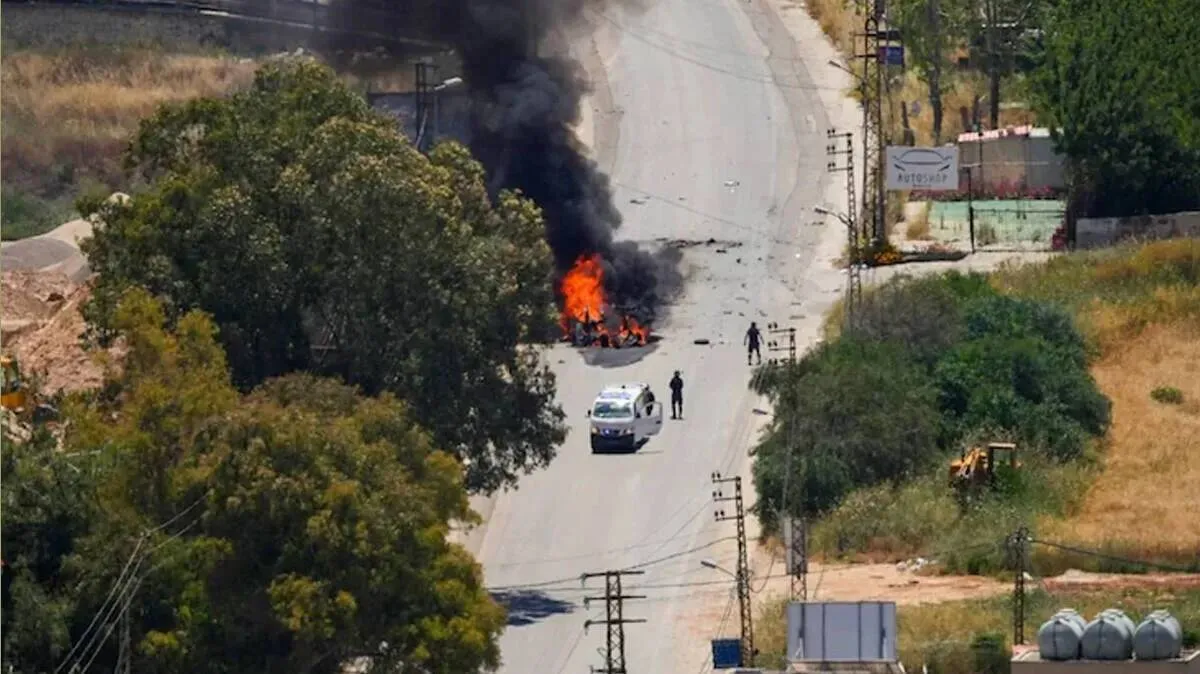
With the United States and Iran once again exchanging blows and counterblows, the drums of war are echoing louder, leaving the world deeply concerned. The US attacked 20 Iranian sites in retaliation for the downing of the Apache helicopter. The attacks included Iran's radar and telecommunications sites in the Hormuz coastal area, as well as the islands of Bandar Abbas, Minab, Qeshm, and Sirik. Missiles were also fired from fighter jets. Iran also attacked 21 sites, including the F-35 aircraft hangar in Jordan and naval and air bases in Bahrain and Kuwait.
In retaliation, Iran used solid-fuel long-range missiles such as the Qadr, Imad, Khyber, and Sijil missiles. The targets included the Salim al-Salem air base in Kuwait and the 5th Fleet base in Bahrain. There was a heavy attack in Jordan. Saudi Arabia and Turkey later intervened in the conflict. Iran responded by saying that it has the right to defend itself. The US is continuing the naval blockade and is putting pressure on Iran.
Iran's Foreign Minister has also warned that it is better for foreign forces camped around Iran to leave. Iran is currently maintaining that no attack will go unanswered. US President Donald Trump has warned that if Iran delays the decision-making process in the talks further, it will have to pay a heavy price and that more military action will be taken.














 HOME
HOME LATEST
 NOTIFIED NEWS
 POLL
POLL KERALA
  EDITORIAL
  INDIA
INDIA  WORLD
WORLD  CINEMA
  SPORTS
  LIFESTYLE
  SPECIAL
  SCIENCE & TECHNOLOGY
 |
|