


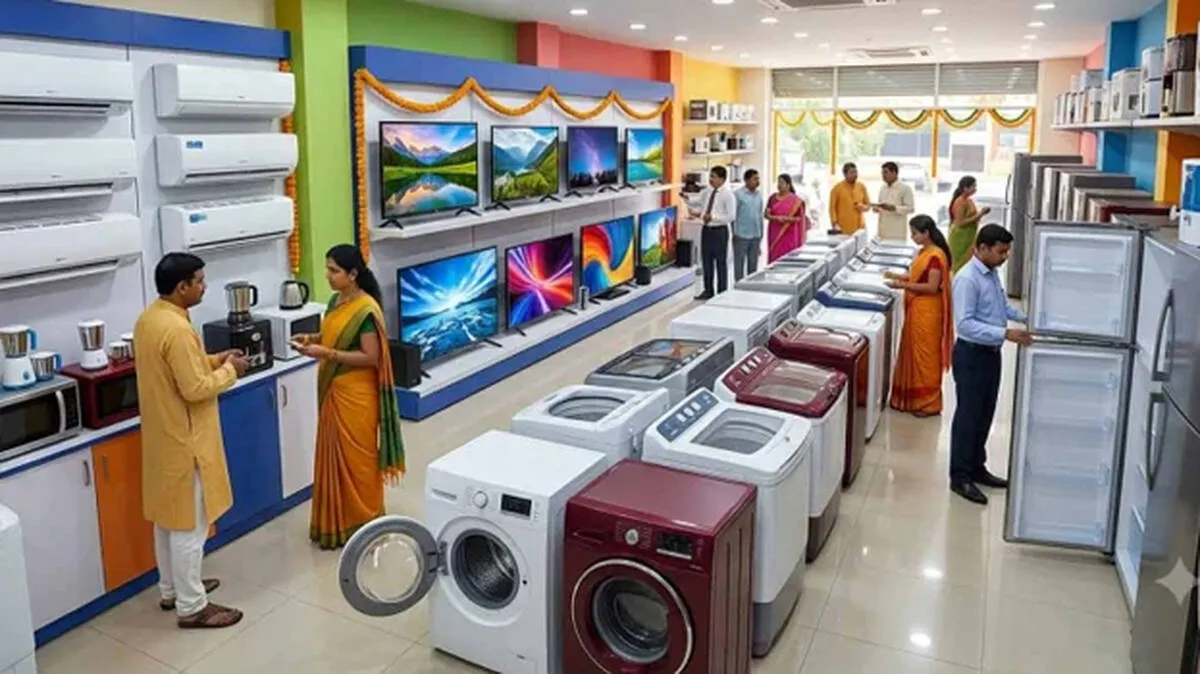
KOCHI: Home appliance manufacturers are set to raise prices of air conditioners, televisions and other consumer durables as rising commodity, logistics and currency-related costs squeeze margins ahead of the festive season.
Price increases of up to 8% are expected in several categories from October 1, with air-conditioner prices likely to rise by around 5% to 8%. Washing machines, refrigerators and LED televisions could see smaller increases, generally in the range of 3% to 4%, although the extent and timing vary across manufacturers.
Blue Star, Godrej Appliances, Haier, Daikin and Super Plastronics are among the companies that have announced or indicated price increases. Daikin has already raised AC prices, while several other manufacturers are preparing to revise prices from October.
The latest increases mark the third round of price hikes in the home-appliance industry this year, adding to the cost pressures facing consumers during the key festive sales period.
The sharp increase in commodity prices has emerged as a major factor behind the latest revisions. Copper, which is widely used in air-conditioner manufacturing, has risen to around $14,500 a tonne from about $8,000-$9,000 last year, significantly increasing production costs. An air conditioner typically requires about 3-4 kg of copper, making the rise in the metal's price particularly significant for manufacturers.
Steel, aluminium and crude oil-linked materials have also become more expensive. Higher freight and transportation costs, along with currency movements and the depreciation of the rupee against the US dollar, have added to the cost burden. Manufacturers are expected to pass on at least part of the additional costs to consumers through higher product prices.
The timing of the increases is significant for the industry. The period from Onam to Diwali accounts for around 30% to 40% of annual home-appliance sales, making the festive season one of the most important periods for manufacturers and retailers.
The latest price revisions therefore come at a time when companies are looking to capitalise on festive demand. Higher prices could, however, put pressure on consumers' purchasing decisions, particularly in categories involving high-ticket purchases such as air conditioners and large-screen televisions.
The industry is also entering this festive season with a higher cost base than last year. While the reduction in GST ahead of last year's festive period had helped offset part of the increase in product costs for consumers, manufacturers are now facing renewed pressure from commodities, logistics and currency movements.
With manufacturers absorbing part of the cost increase while passing on the remainder through price revisions, the extent to which higher prices affect festive-season demand will remain an important factor for the consumer-durables industry.














 HOME
HOME LATEST
 NOTIFIED NEWS
 POLL
POLL KERALA
  EDITORIAL
  INDIA
INDIA  WORLD
WORLD  BUSINESS
  CINEMA
  SPORTS
  LIFESTYLE
  SPECIAL
  SCIENCE & TECHNOLOGY
 |
|