


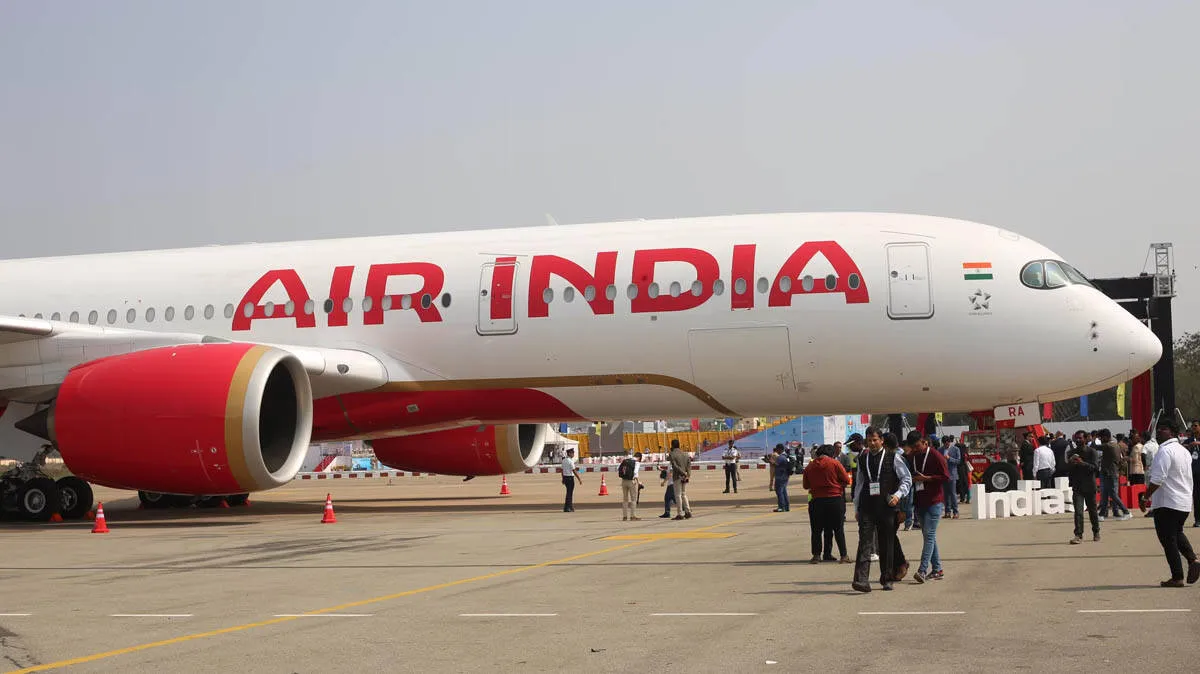
NEW DELHI: A preliminary investigation by the Aircraft Accident Investigation Bureau (AAIB) into an incident in which an Air India flight from Phuket to Delhi suddenly lost altitude has found that the aircraft experienced a near-simultaneous loss of hydraulic pressure in all three hydraulic systems, resulting in an altitude upset. The investigation also found that the pilot-in-command (PIC) tested non-negative for a psychoactive substance.
The Airbus A320neo was cruising at 36,000 feet when the Green hydraulic system lost pressure, followed about four seconds later by the Blue and Yellow systems. The autopilot then disengaged, and the flight controls became unresponsive for about four seconds, according to the preliminary report. The aircraft subsequently recovered and stabilised. There were 137 passengers and eight crew members on board.
The aircraft initially climbed by 372 feet before descending by 292 feet from its assigned flight level during the altitude upset. The first officer was the pilot flying at the time and initially responded to the situation, after which the PIC took over the controls. The hydraulic systems subsequently recovered, allowing the flight controls to return to normal operation. The aircraft continued to Delhi and landed safely.
Both pilots underwent post-flight medical examinations after the aircraft landed in Delhi. Their breath-analyser examinations were satisfactory, following which both flight crew members underwent testing for psychoactive substances. The PIC's initial sample was found to be non-negative and was sent for confirmatory testing. The confirmatory test also returned a non-negative result, while the co-pilot tested negative in both tests.
The AAIB described the confirmation of psychoactive-substance use by a member of the flight crew as a serious concern and recommended that the Directorate General of Civil Aviation (DGCA) take appropriate action on priority to prevent the abuse of psychoactive substances by aviation personnel.
The incident resulted in injuries to 20 passengers and four cabin crew members. The seat-belt signs were off when the altitude upset occurred, and the sudden movement of the aircraft resulted in injuries inside the cabin. The aircraft sustained damage to overhead bins, ceiling panels and other cabin fixtures.
The preliminary report does not establish the underlying cause of the hydraulic-pressure loss. Investigators have collected relevant hydraulic components and maintenance records for further analysis, while flight-recorder data is also being examined. Airbus and France's Bureau of Enquiry and Analysis for Civil Aviation Safety (BEA) are assisting the investigation.
The AAIB said its detailed investigation into the technical and other aspects of the accident remains underway, and the preliminary findings are subject to change.















 HOME
HOME LATEST
 NOTIFIED NEWS
 POLL
POLL KERALA
  EDITORIAL
  INDIA
INDIA  WORLD
WORLD  BUSINESS
  CINEMA
  SPORTS
  LIFESTYLE
  SPECIAL
  SCIENCE & TECHNOLOGY
 |
|