

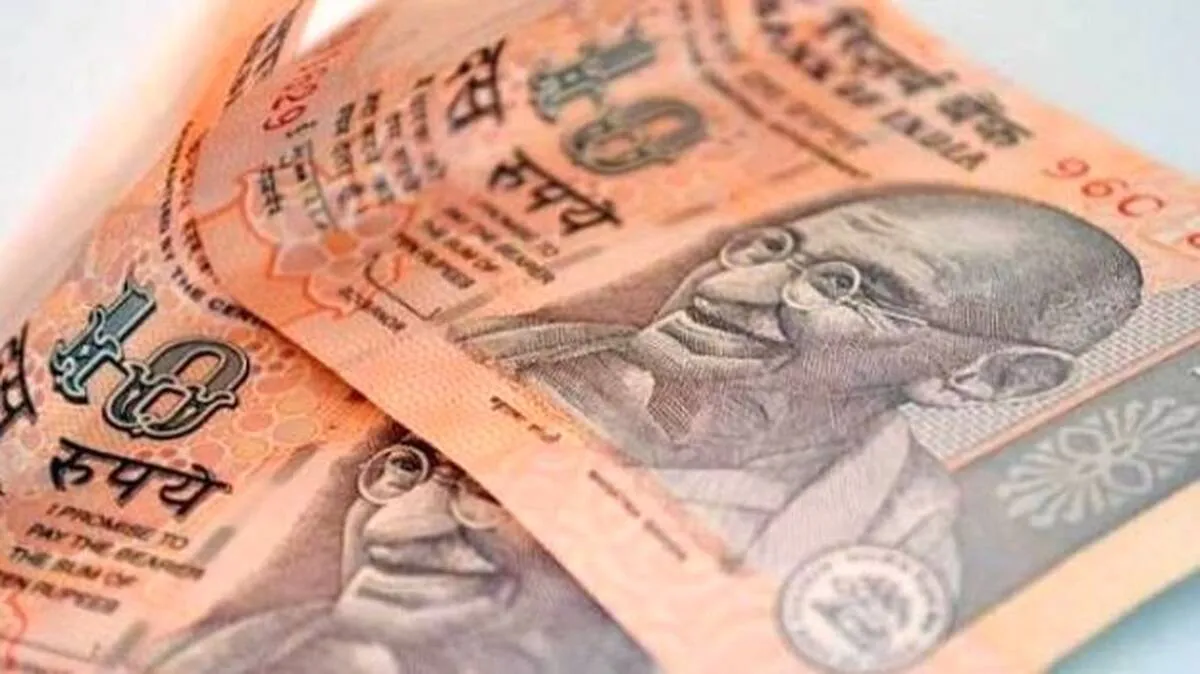
NEW DELHI: The Reserve Bank of India (RBI) invited bids for the first polymer currency notes in India after the central government approved the introduction of polymer (plastic) currency notes for the first time. The notes are being printed on a trial basis in denominations of 10 and 20.
The RBI invited a global tender to find companies that will manufacture Opacified substrate sheets with the necessary security features for printing banknotes.
The tenders should be submitted by companies capable of supplying at least 68,000 rims (one rim: substrate sheet for printing 500 notes). The last date for the bid is August 18.
Australia first introduced polymer currency notes in 1988, later followed by 60 countries, including Canada, the UK, New Zealand, Singapore, Malaysia, Romania, Vietnam, Nigeria and others.
The biggest challenge facing the RBI is the security of the substrates used for manufacturing polymer notes. The contract will be awarded to companies that do not have contractual transactions with countries like Pakistan and China. The central government made it clear that the current paper notes will not be invalidated even after the introduction of polymer notes. The existing notes will continue in circulation along with the polymer notes being released on an experimental basis. If the project is successful, the paper notes will be withdrawn only in a phased manner.
Notes will be printed on synthetic polymer sheets instead of the currently popular cotton paper. They will last longer than paper notes. They will be less prone to wear and tear. They will be resistant to water, humidity and dirt.
The first phase of printing will be 200 crore notes in denominations of 10 and 20 rupees on a trial basis. 100 crore in each denomination. This will be distributed across different zones of the country. It will be expanded to higher denomination notes after evaluating durability, public acceptance, security and printing costs.















 HOME
HOME LATEST
 NOTIFIED NEWS
 POLL
POLL KERALA
  EDITORIAL
  INDIA
INDIA  WORLD
WORLD  CINEMA
  SPORTS
  LIFESTYLE
  SPECIAL
  SCIENCE & TECHNOLOGY
 |
|