


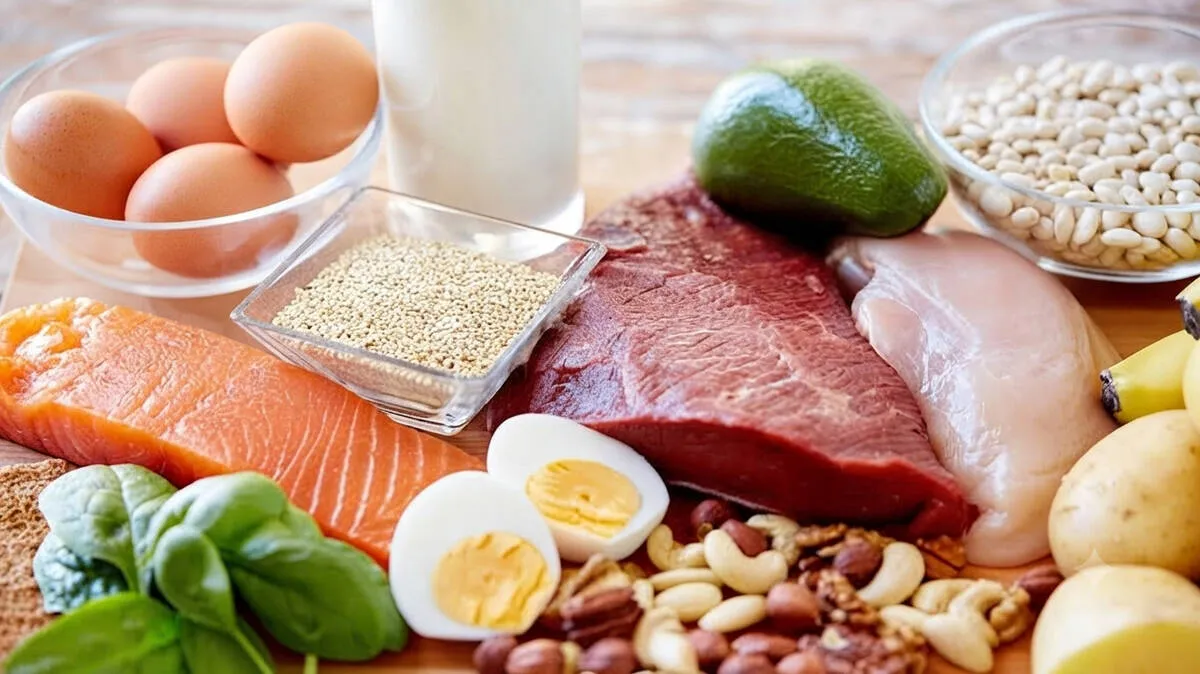
Protein-rich diets have become increasingly popular among people looking to improve their health, lose weight or build muscle. While protein is an essential nutrient, health experts caution that consuming it in excessive amounts may do more harm than good.
According to a study published in Nature Metabolism in 2024, excessive protein intake may increase the risk of cardiovascular disease. Experts say the health effects of protein depend not only on how much a person consumes, but also on its source—whether it comes from plants or animals—and an individual's existing health conditions.
Protein plays a vital role in cell growth, tissue repair and maintaining a healthy immune system. However, unlike carbohydrates and fats, the body cannot store excess protein for later use. Instead, surplus protein is broken down, and the nitrogen-containing waste products are filtered and eliminated by the kidneys. Studies suggest that consistently consuming more protein than the body requires can place additional strain on the kidneys and may have adverse health effects.
People with kidney disease, as well as those whose kidneys have been affected by diabetes or high blood pressure, should be particularly cautious. Experts advise against significantly increasing protein intake without consulting a doctor or qualified healthcare professional. Eating excessive amounts of protein without considering one's overall health can lead to complications.
Research also indicates that regularly consuming large quantities of processed meat and red meat may increase the risk of heart disease. Plant-based protein sources, including legumes and pulses, are generally considered a healthier alternative.
Moderate amounts of protein from fish, eggs, milk and chicken can also form part of a balanced diet. For most people, the daily protein requirement can be met through a well-balanced diet without relying on excessive protein-rich foods or supplements.
Certain groups—including athletes, pregnant women and older adults—may require higher protein intake. Even in these cases, experts recommend that dietary adjustments be made only under the guidance of a healthcare professional or registered dietitian.















 HOME
HOME LATEST
 NOTIFIED NEWS
 POLL
POLL KERALA
  EDITORIAL
  INDIA
INDIA  WORLD
WORLD  CINEMA
  SPORTS
  LIFESTYLE
  SPECIAL
  SCIENCE & TECHNOLOGY
 |
|