

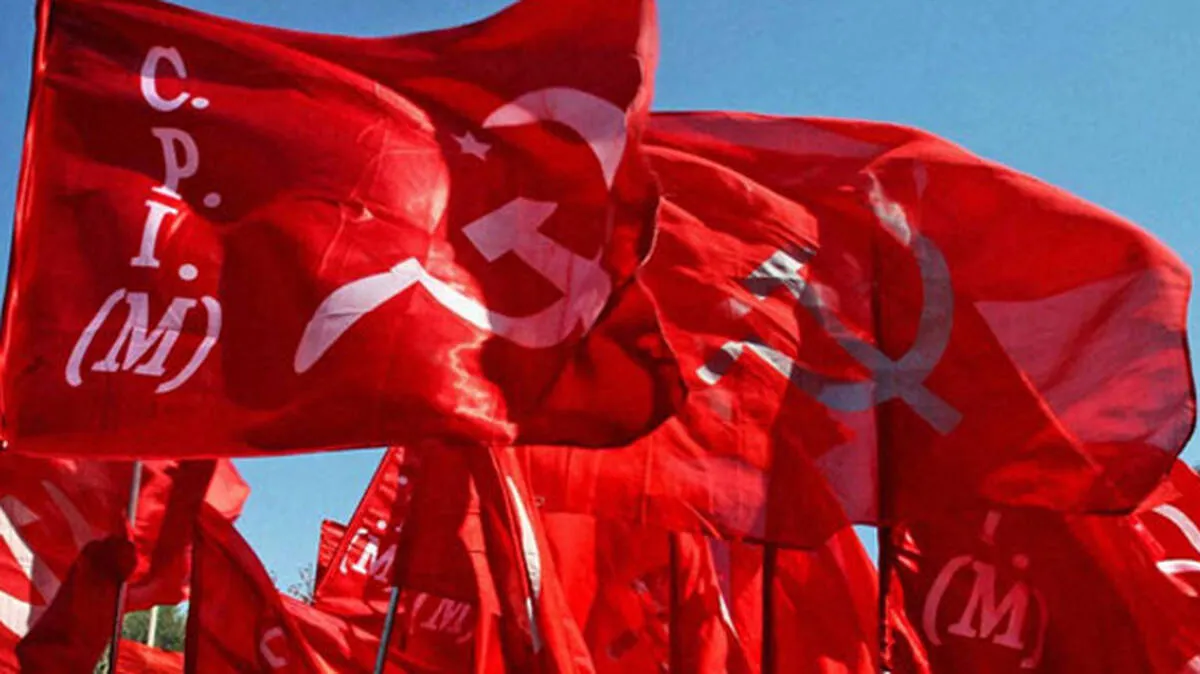
THIRUVANANTHAPURAM: The Communist Party of India (Marxist) has officially acknowledged that strong anti-incumbency sentiments and strategic errors in candidate selection directly contributed to its severe defeat in the assembly elections. This candid self-criticism was outlined in a comprehensive report presented during the party’s state committee meeting in Thiruvananthapuram, marking a significant shift in the leadership's stance. The party is expected to decide today on convening a special plenum to initiate a structured rectification process across its ranks.
According to the state secretariat's report, specific government policies and measures, including recent tax hikes, triggered widespread public resentment. The leadership noted that a decade of continuous governance had led to organisational stagnation, which ultimately weakened the party's machinery and alienated various segments of the populace. Rejecting the idea of pinning the blame on specific individuals, the report emphasised collective responsibility for the electoral debacle, urging members to adopt a deeply self-critical approach. It further stated that while voluntary self-correction is ideal, the party must enforce discipline on those unwilling to change, as isolated adjustments will no longer suffice to regain public trust.
The internal assessment also highlighted shifts in demographic support, noting that the party failed to secure its anticipated backing from both minority communities and majority vote banks. Furthermore, the leadership expressed grave concern over the rise of the Bharatiya Janata Party in the state, pointing out that the saffron party secured the second position in six constituencies. The report flagged this trend as a dangerous development that underscores a growing public desire for political change.
Operational errors were also brought to light, with the report admitting that a flaw in selecting the candidate for the Taliparamba constituency had a negative cascading effect statewide. The party leadership concluded that greater vigilance should have been exercised during the ticket distribution phase. To address these systemic issues, the report suggests a cautious three-month timeline for implementing corrective measures, rather than rushing into immediate changes. This period will involve detailed deliberations within lower party committees based on the report approved by the state committee. The ongoing two-day meeting, which concludes today, is currently debating these findings across three primary tracks: the core reasons for the defeat, failures within the organisational structure, and necessary overhauls in the party’s overall functioning.














 HOME
HOME LATEST
 NOTIFIED NEWS
 POLL
POLL KERALA
  EDITORIAL
  INDIA
INDIA  WORLD
WORLD  CINEMA
  SPORTS
  LIFESTYLE
  SPECIAL
  SCIENCE & TECHNOLOGY
 |
|