

THIRUVANANTHAPURAM: The long-standing friction between Kerala and Tamil Nadu over the Mullaperiyar Dam has returned to the political forefront. Following a significant political shift in Tamil Nadu, the promise to raise the dam’s water level—a cornerstone of the Tamilaga Vettri Kazhagam (TVK) platform—has reignited concerns across the border in Kerala.
For decades, the two states have been locked in a stalemate. While Tamil Nadu seeks to maximize water storage for its farming districts, Kerala cites the structural vulnerability of the 129-year-old dam as a catastrophic threat to its citizens downstream.
Newly elected leadership under TVK President Vijay has brought the issue back to a fever pitch. During the campaign trail, Vijay made a high-stakes vow to the electorate in the Theni district: raise the water level to the maximum 152 feet and ensure the reopening of the Mangaladevi Temple for Tamil devotees.
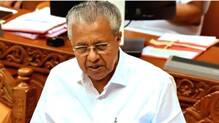
The previous DMK administration, led by M.K. Stalin, maintained a cordial relationship with Kerala’s Pinarayi Vijayan government. However, that diplomacy rarely translated into a resolution on Mullaperiyar. Analysts suggest that the sensitive, emotional nature of water rights in Tamil Nadu prevented the Stalin government from making concessions, fearing a backlash from the local populace.
The electoral impact of this promise is already evident. By championing the 152-foot target—a demand previously echoed but unfulfilled by the DMK and AIADMK—TVK successfully tapped into the frustrations of the Theni border belt. This strategic focus saw the party secure victories in two of the four constituencies in the district, signaling a mandate for a more assertive stance against Kerala’s safety concerns.
As the new administration begins its term, Kerala remains on high alert. Whether the TVK leadership will pursue a path of confrontation or seek a technical consensus remains the defining question for interstate relations in the coming months.




 HOME
HOME LATEST
 NOTIFIED NEWS
 POLL
POLL KERALA
  EDITORIAL
  INDIA
INDIA  WORLD
WORLD  CINEMA
  SPORTS
  LIFESTYLE
  SPECIAL
  SCIENCE & TECHNOLOGY
 |
|