

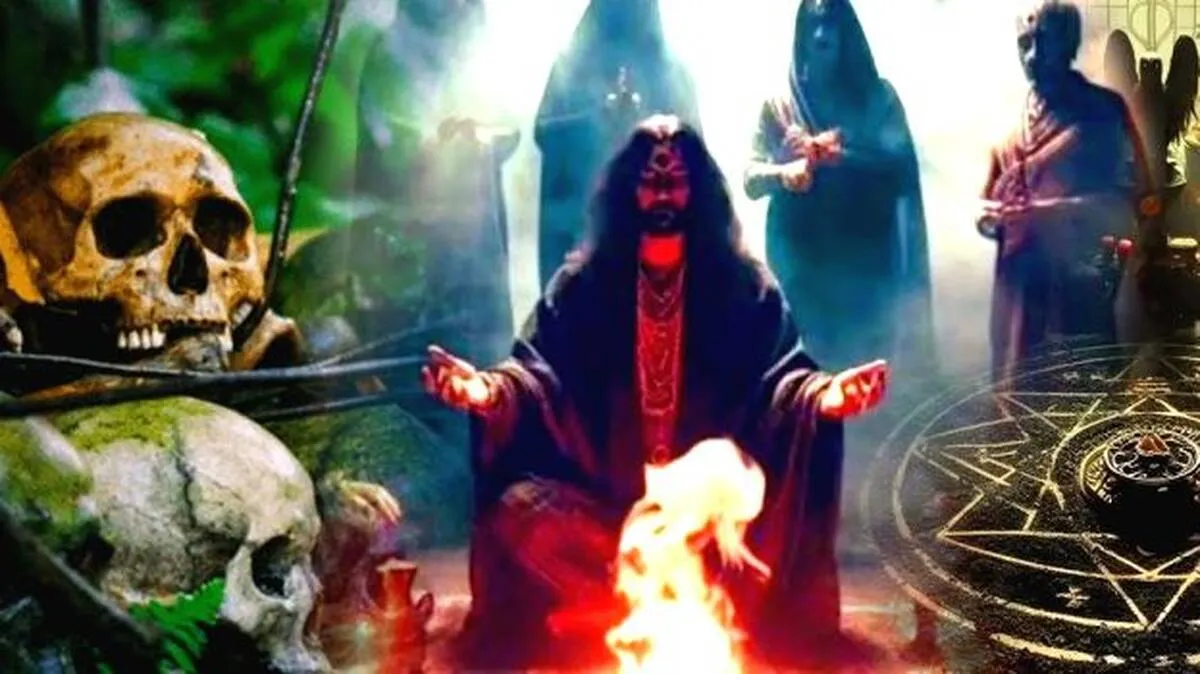
THIRUVANANTHAPURAM: A law to prohibit black magic and occult practices will be passed in the next Assembly session, with strict punishment proposed for 22 types of superstitious and harmful practices. Astrology, temple rituals, prayers and other practices that do not cause physical or mental harm will be allowed.
The 22 types of occult practices and superstitious acts have been divided into three categories. Life imprisonment, along with a possible fine, will be imposed for human sacrifice and demonic acts that cause death, listed under the first category. If the act results in death, the law will not prevent the imposition of the death penalty under the Bharatiya Nyaya Sanhita (BNS), the country’s criminal law.
The second category includes eight superstitious practices involving acts such as sexual exploitation, physical assault and threats to life. These offences will attract up to 10 years in prison and a fine.
The third category includes 12 such practices, including those involving financial exploitation, for which the punishment will be up to five years in prison
.
Special investigation teams headed by a DySP will be formed in each district under the supervision of the respective district SPs. A committee comprising the ADGP (Law and Order), Director General of Prosecution and a representative of the Law Department will oversee the investigation.
The committee can recommend whether practices should be excluded from or added to the scope of the law. The government will also have the power to exempt a case if it is found to be part of a religious practice. The draft Bill was prepared by an expert committee comprising K. Sasidharan Nair, Vice-Chairman of the Law Reform Commission, and former DGP Jacob Punnoose.
The government had withdrawn a draft Bill submitted by the Law Reform Commission headed by Justice K.T. Thomas in October 2019 in July 2023. The argument was that it was difficult to distinguish between faith and superstition. The Rationalist Organisation later approached the High Court against the withdrawal, paving the way for the proposed law.
“The law is intended to eliminate harmful practices without hurting religious beliefs.”
- Jacob Punnoose, former police chief










 HOME
HOME LATEST
 NOTIFIED NEWS
 POLL
POLL KERALA
  EDITORIAL
  INDIA
INDIA  WORLD
WORLD  BUSINESS
  CINEMA
  SPORTS
  LIFESTYLE
  SPECIAL
  SCIENCE & TECHNOLOGY
 |
|