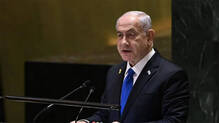


TEHRAN: Iran has launched a scathing verbal assault against the United States following a major Israeli airstrike in the Lebanese capital of Beirut, casting a heavy shadow over ongoing diplomatic efforts to broker regional peace. Iranian leadership indicated that the attack has effectively crippled the viability of continuing backchannel negotiations with Washington.
The diplomatic fallout intensified after Mohammad Bagher Ghalibaf, the Speaker of the Iranian Parliament, publicly questioned the purpose of maintaining dialogue with American interlocutors. Writing on social media platform X, Ghalibaf asserted that the targeted strikes exposed Washington's utter inability to fulfil its diplomatic assurances or restrain its regional allies. The legislative leader noted that the actions of the Zionist regime proved the futility of further engagement, suggesting that the peace process has lost its foundational meaning.
Reinforcing Tehran's hardline stance, Brigadier General Mohammad Jafar Asadi issued a stern warning from the military command, vowing that Israel's actions would meet a definitive response. The senior commander stated that the military establishment would ensure accountability for the assault, heightening anxieties over a potential escalation in the regional conflict.
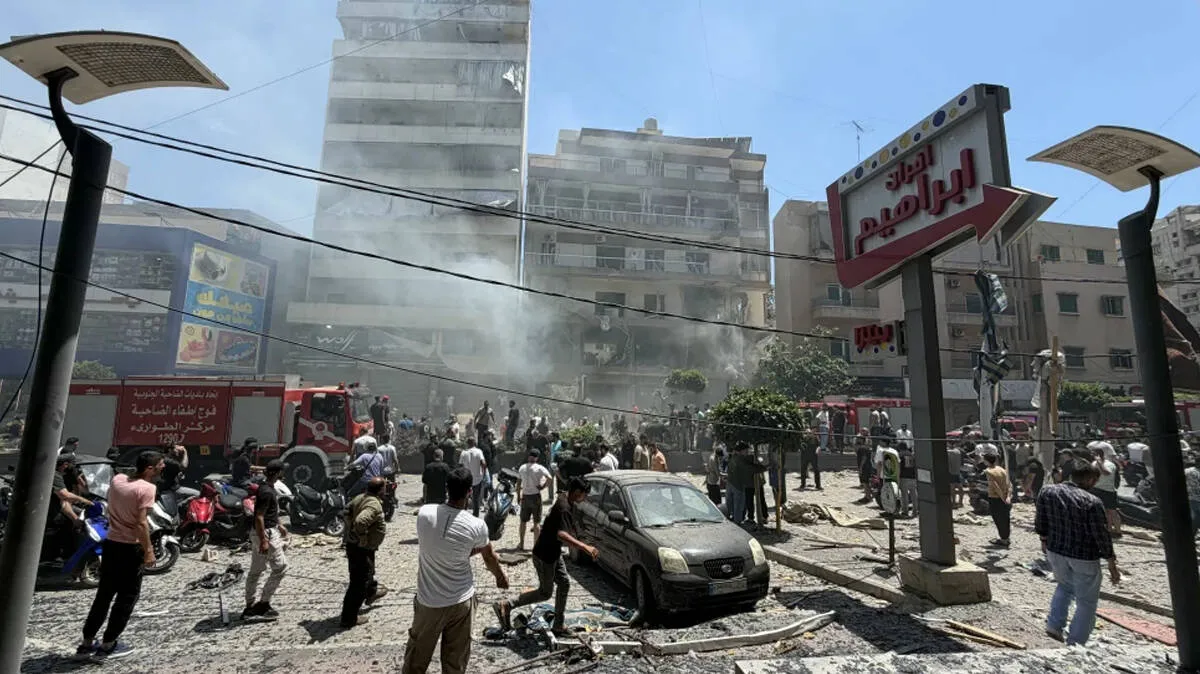
The political friction follows a devastating aerial bombardment focused on Dahiyeh, a southern suburb of Beirut widely recognised as a stronghold for the Hezbollah militant group. The Israeli Air Force released operational footage documenting the precision strike on an apartment complex, which reduced sections of the residential building to rubble. International news agencies report that emergency rescue teams are actively combing through the debris in a desperate search for survivors trapped beneath the collapsed structure.
The Israeli military defended the operation by claiming that the targeted apartment building functioned as a vital operational headquarters for Hezbollah. According to statements from the Israeli Air Force, the facility was being actively utilised by commanders to coordinate and plan imminent cross-border terror attacks against Israeli territory. The incident marks a critical destabilisation in regional diplomacy, threatening to permanently unravel months of delicate peace negotiations.















 HOME
HOME LATEST
 NOTIFIED NEWS
 POLL
POLL KERALA
  EDITORIAL
  INDIA
INDIA  WORLD
WORLD  CINEMA
  SPORTS
  LIFESTYLE
  SPECIAL
  SCIENCE & TECHNOLOGY
 |
|